

Many assume minimalism still rules home decor in 2026, but the reality is far richer. Today’s interiors embrace warmth, layered textures, and personal expression alongside sustainability. You’ll discover how sculptural furniture, earthy colors, biophilic elements, and multifunctional spaces redefine modern living. This guide reveals practical ways to transform your home with confidence and style.
Table of Contents
- Introduction To 2026 Decor Trends
- Sculptural Furniture And Curved Forms
- Color Themes: Warm Neutrals And Earthy Tones
- Biophilic Design And Nature Integration
- Multifunctional And Adaptive Living Spaces
- Sustainability And Slow Decorating
- Common Misconceptions About 2026 Decor Trends
- Practical Applications: Integrating 2026 Trends Into Your Home
- Explore Curated Home Decor Collections For 2026
- Frequently Asked Questions
Key takeaways
| Point | Details |
|---|---|
| Warm neutrals and tactile materials | Ochre, terracotta, and layered textures create inviting, cozy interiors replacing cool grays. |
| Curved sculptural furniture | Rounded sofas and arched mirrors soften spaces, offering comfort over sharp minimalist angles. |
| Biophilic and multifunctional design | Living walls, natural ventilation, and adaptive furniture support wellbeing and flexible lifestyles. |
| Sustainability and slow decorating | Artisan pieces and eco-friendly materials prioritize meaning, longevity, and environmental responsibility. |
| Avoid common mistakes | Balance textures thoughtfully and scale furniture correctly to prevent overwhelming or cramped rooms. |
Introduction to 2026 decor trends
Home decor in 2026 signals a decisive shift away from minimalism to layered environments that prioritize warmth, comfort, and personal expression. Instead of stark white walls and bare surfaces, interiors now celebrate tactile materials, rich colors, and purposeful objects. This evolution responds to growing desires for emotional connection to living spaces after years of remote work and changing family dynamics.
Sustainability and multifunctionality anchor this transformation. Homeowners increasingly choose artisan pieces and eco-friendly materials that tell stories and endure over time. Spaces adapt through transformable furniture and flexible layouts, supporting varied activities from work to relaxation. The following trends define this approach:
- Layered textures through natural fibers, plush fabrics, and mixed materials
- Sculptural furniture forms that add visual interest and comfort
- Warm, earthy color palettes replacing cold neutrals
- Biophilic design integrating nature into daily living
- Adaptive spaces accommodating multiple functions seamlessly
These elements work together to create homes that feel genuinely lived in rather than styled for photos. The emphasis on kitchen decor trends 2026 and throughout every room reflects a holistic design philosophy. Understanding modern furniture guide 2026 principles helps you navigate these changes with intention.
The 2026 aesthetic balances sophistication with approachability. It invites you to curate spaces reflecting your personality while embracing environmental responsibility. This shift marks a maturation beyond trend cycles toward thoughtful, lasting design choices. Learn more about 2026 interior design trends shaping contemporary homes.
Sculptural furniture and curved forms
Curved furniture forms dominate 2026 decor, replacing the sharp angles that characterized minimalist design for years. Rounded sofas, arched mirrors, and organic coffee tables introduce softness and movement into rooms. These sculptural pieces serve dual purposes: they provide comfort while acting as statement art. The psychological impact matters. Curved shapes create visual flow that guides the eye naturally through spaces, reducing visual tension.
Consider how a curved sectional invites conversation compared to rigid rectangular seating. Arched doorways and circular side tables echo this philosophy, building cohesion across rooms. The trend extends to lighting fixtures with bulbous forms and organic pendant shapes. These elements add sophistication without overwhelming neutral color schemes popular in 2026.
Examples of sculptural furniture gaining traction include:
- Rounded bouclé sofas with low, flowing backs
- Kidney shaped desks and dressing tables
- Sculptural dining chairs with organic silhouettes
- Arched full length mirrors as focal points
- Oval coffee tables in natural wood or stone
Pro Tip: Balance one or two sculptural statement pieces per room with simpler furnishings to avoid visual chaos. A curved sofa paired with streamlined side tables creates harmony.
This movement away from rigid geometry reflects broader cultural shifts toward comfort and humanity in design. Understanding modern furniture guide 2026 helps you select pieces that age gracefully. Explore how 2026 home decor trends incorporate these forms across residential spaces.
Color themes: warm neutrals and earthy tones
Cool grays dominated the 2010s, but 2026 embraces warm neutrals like ochre and terracotta that transform rooms into cozy retreats. These hues evoke natural landscapes: desert sands, clay earth, autumn leaves. Rich browns, olive greens, and burnt orange accent walls replace sterile whites. Color drenching, where walls, trim, and ceilings share the same warm tone, creates immersive, cocoon like effects.
This palette shift carries psychological weight. Warm colors trigger feelings of safety and relaxation, essential for homes functioning as sanctuaries. Terracotta energizes without overwhelming. Olive green connects interiors to nature. Deep chocolate brown grounds spaces with elegance. The key lies in layering these tones through paint, textiles, and accessories rather than committing to a single shade.
| Color | Psychological Effect | Best Application |
|---|---|---|
| Ochre | Optimism, warmth | Accent walls, throw pillows |
| Terracotta | Energy, comfort | Dining rooms, kitchens |
| Olive | Tranquility, nature connection | Bedrooms, living areas |
| Rich brown | Grounding, sophistication | Furniture, trim work |
Pro Tip: Test paint samples in different lighting conditions throughout the day. Warm tones can shift dramatically between morning sunlight and evening lamplight.
These colors pair beautifully with natural materials like wood, linen, and stone. They enhance rather than compete with sculptural furniture forms. Implementing warm kitchen decor 2026 principles demonstrates how these palettes function in high traffic areas. Discover more about 2026 interior color trends guiding residential design.
Biophilic design and nature integration
Biophilic design in 2026 extends far beyond placing houseplants on windowsills. The approach now includes living walls and natural ventilation that actively improve air quality and mental wellbeing. Research links biophilic elements to reduced stress, enhanced cognitive function, and faster recovery from mental fatigue. Incorporating nature becomes essential rather than decorative.
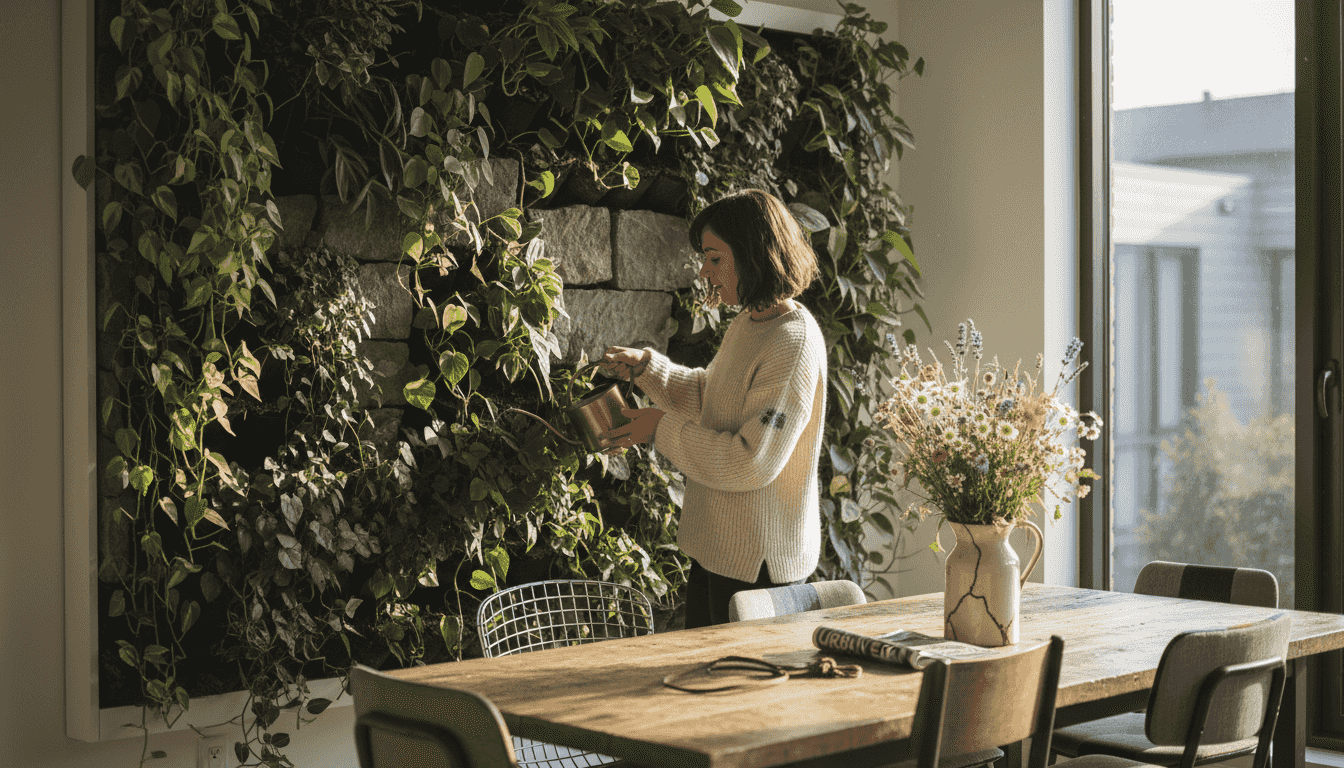
Living walls, where plants grow vertically on interior surfaces, serve as natural air purifiers and humidity regulators. Natural ventilation systems replace purely mechanical HVAC when possible, connecting indoor air to outdoor breezes. Some homeowners integrate indoor herb gardens or small scale farming systems into kitchen designs. Water features add auditory elements that mask urban noise while promoting relaxation.
The sensory dimension matters. Natural soundscapes, whether through water features or open windows to gardens, enhance the connection to nature. Textures like raw wood, stone, and organic fibers reinforce this relationship. The goal is creating environments that feel alive and dynamic rather than static.
Key biophilic strategies for 2026 homes include:
- Installing living moss or succulent walls in bathrooms or entryways
- Maximizing natural light through strategic window placement or skylights
- Selecting furniture and decor in natural materials like bamboo, rattan, and untreated wood
- Incorporating nature inspired patterns in textiles and wallpapers
- Creating sight lines to outdoor green spaces from primary living areas
This holistic approach supports healthier, more sustainable living. Explore comprehensive home decor guide 2026 strategies for integrating nature effectively. Learn more about 2026 home trends biophilic design transforming residential spaces.
Multifunctional and adaptive living spaces
Remote work and evolving family structures demand multifunctional adaptive spaces with transformable furniture that serve multiple purposes throughout the day. A home office converts to a guest room at night. Dining areas double as workspaces. Living rooms accommodate exercise routines before transitioning to entertainment zones. This flexibility maximizes limited square footage while supporting diverse activities.
Movable walls and modular furniture systems enable these transformations without major renovations. Murphy beds fold into walls, revealing living areas during waking hours. Desk systems attach to walls and collapse when not needed. Convertible sofas with storage compartments hide bedding and work materials. These solutions balance aesthetics with functionality, avoiding the cluttered appearance of purely utilitarian designs.
The trend reflects pragmatic responses to how people actually live. Rigid, single purpose rooms feel wasteful when space comes at a premium. Adaptive design honors the reality that homes serve as offices, gyms, schools, and entertainment venues simultaneously. The challenge lies in creating spaces that transition smoothly without constant rearrangement.
Steps to create multifunctional spaces:
- Identify rooms currently serving multiple purposes and formalize their flexibility
- Invest in furniture with hidden storage or transformation capabilities
- Use room dividers like screens or bookshelves to create temporary zones
- Select lighting that adapts to different activities through dimmers or smart controls
- Maintain visual cohesion through consistent color schemes despite changing functions
Practical examples that work:
- Fold away wall mounted desks in bedrooms or living rooms
- Ottoman storage benches serving as seating, storage, and occasional tables
- Nesting tables that expand for entertaining then tuck away
- Sliding barn doors separating open plan areas temporarily
Discover modern urban space solutions addressing these needs. Understanding how modern furniture style function enhances adaptability proves essential. Explore 2026 multifunctional spaces revolutionizing home design.
Sustainability and slow decorating
Slow decorating prioritizes artisan and vintage pieces over mass produced goods, emphasizing quality, longevity, and personal meaning. This intentional approach rejects fast furniture cycles where pieces land in landfills after a few years. Instead, homeowners invest in fewer, better items that tell stories and improve with age. Vintage finds, handcrafted ceramics, and custom woodwork replace disposable decor.
Material innovation supports this shift. Carbon negative concrete, mushroom based insulation, and reclaimed wood reduce environmental impact while offering unique aesthetic qualities. These materials often carry visible histories: wood grain variations, natural imperfections, organic textures. The imperfection becomes part of the appeal, contrasting with the uniformity of industrial production.
Sustainability in 2026 means considering the full lifecycle of furnishings. Where did materials originate? How were they produced? Can they be repaired rather than replaced? Will they decompose safely or require special disposal? These questions guide purchasing decisions for environmentally conscious homeowners.
Principles of sustainable decorating:
- Choose timeless designs over trend driven pieces likely to feel dated quickly
- Support local artisans and craftspeople to reduce transportation emissions
- Repair and refinish existing furniture before buying new
- Select natural, biodegradable materials like wool, cotton, and untreated wood
- Invest in quality lighting and textiles that last decades
This philosophy aligns with broader cultural movements toward mindful consumption. It offers aesthetic rewards through unique, characterful spaces that reflect personal values. Slow decorating creates homes with depth and authenticity impossible to achieve through catalog shopping. Learn about 2026 decorating trends embracing these principles.
Common misconceptions about 2026 decor trends
Several misunderstandings distort how people interpret 2026 trends, leading to design choices that miss the mark. First, minimalism remains relevant with layering and texture rather than disappearing entirely. The evolution adds depth and warmth to clean lines rather than abandoning simplicity. You can maintain uncluttered spaces while incorporating rich materials and subtle patterns.
Second, warm neutrals feel contemporary and refined, not dated or loud. Some fear terracotta or ochre will look like 1970s throwbacks, but modern applications balance these tones with crisp whites and natural textures. The key lies in restraint and quality materials. Third, sustainability focuses on meaningful long term choices rather than superficial greenwashing. Buying one well made wooden table beats purchasing multiple particle board versions marketed as eco friendly.
Common mistakes to avoid:
- Overloading rooms with too many textures, creating visual chaos instead of cozy layers
- Selecting furniture too large for room dimensions, blocking flow and overwhelming spaces
- Applying warm colors to every surface without breathing room from neutrals
- Choosing trendy pieces likely to feel dated within two years
- Ignoring lighting design, which can make or break color and texture choices
Understanding these nuances prevents costly missteps. The goal is creating balanced, livable spaces that feel current without sacrificing comfort or functionality. Warm tones and sculptural forms work best when thoughtfully integrated rather than adopted wholesale. Quality always trumps quantity in achieving sophisticated results. Explore 2026 design myths explained for deeper clarity.
Practical applications: integrating 2026 trends into your home
Transforming your space with 2026 trends requires systematic planning rather than impulsive purchases. Start by assessing which rooms need updates and what functions they must support. Identify opportunities for sculptural furniture, warm colors, biophilic elements, or adaptive features. Prioritize changes offering the biggest impact relative to budget and effort.
Steps to implement 2026 decor successfully:
- Audit current furniture and decor, noting pieces worth keeping versus replacing
- Select one or two sculptural statement pieces scaled appropriately for room dimensions
- Choose a warm neutral base color and test samples in your lighting conditions
- Add texture through layered textiles: throws, pillows, rugs in natural fibers
- Incorporate biophilic elements starting with low maintenance plants or nature inspired art
- Identify spaces needing flexibility and research transformable furniture options
- Invest in one or two artisan or vintage pieces with personal meaning
- Update lighting to enhance warm tones and create ambiance for different activities
Texture application deserves special attention. Layer linen curtains over sheer panels. Combine smooth leather with nubby bouclé. Add woven baskets and ceramic vessels. These tactile elements make spaces feel intentionally curated rather than flat. Color drenching works best in smaller rooms like powder baths or home offices where immersive effects feel cozy rather than claustrophobic.
Pro Tip: Begin with temporary changes like paint and textiles before committing to expensive furniture. You can test color schemes and identify what feels right for your lifestyle before major investments.
Functional considerations:
- Measure doorways and hallways before ordering large sculptural furniture to ensure delivery access
- Consider maintenance requirements for natural materials in high traffic areas
- Plan electrical outlets for flexible room configurations
- Choose storage solutions that hide clutter while maintaining aesthetic appeal
Learn strategies for using modern furniture 2026 effectively in your home. Discover how to optimize living room layout for both beauty and function. These practical steps help you confidently execute trends suited to your unique space and needs.
Explore curated home decor collections for 2026
Transforming your home with 2026 trends becomes simpler when you access curated collections that align with current design principles. Whether you seek sculptural furniture pieces, warm toned textiles, or artisan accents, thoughtfully selected products streamline your refresh. The home decor collection offers accessories and statement pieces that complement layered, textured interiors.
Lighting plays a crucial role in showcasing warm neutrals and creating ambiance for multifunctional spaces. Explore the lighting collection for fixtures that enhance biophilic design and adaptable room configurations. From sculptural pendants to adjustable task lighting, these options support the flexibility modern living demands. Visit New Way Ref store to discover furniture and decor that brings 2026 trends into your home with confidence.
Frequently asked questions
What defines trending decor styles in 2026?
Trending decor styles in 2026 emphasize warmth, comfort, and personal expression through layered textures and curved furniture forms. The shift moves away from stark minimalism toward environments that feel lived in and emotionally connected. Sculptural pieces, warm neutrals like terracotta and ochre, and biophilic design create inviting spaces supporting contemporary lifestyles.
How does functionality influence 2026 decor trends?
Functionality drives 2026 trends through multifunctional spaces and transformable furniture responding to remote work and evolving family needs. Homes must adapt throughout the day, serving as offices, gyms, schools, and entertainment areas without feeling cluttered. Adaptive design solutions like fold away desks and modular systems maximize limited square footage while maintaining aesthetic appeal.
Can minimalism coexist with 2026 layered design trends?
Minimalism remains relevant in 2026 but evolves to include depth through layered textures and warm materials rather than stark emptiness. The approach maintains clean lines and uncluttered surfaces while incorporating tactile fabrics, natural fibers, and purposeful objects. This balance creates sophisticated spaces that feel both refined and welcoming rather than cold or sterile.
What mistakes should I avoid when adopting 2026 decor trends?
Avoid overloading rooms with too many textures, which creates chaos instead of cozy layers. Scale furniture appropriately to room dimensions to prevent blocking natural flow. Apply warm colors selectively with breathing room from neutrals rather than covering every surface. Choose quality pieces with longevity over trendy items likely to feel dated quickly.
How do I start integrating biophilic design into my home?
Start biophilic design by maximizing natural light through window treatments and strategic furniture placement. Add low maintenance plants like pothos or snake plants in key areas. Incorporate natural materials through wooden furniture, stone accents, or linen textiles. Even small changes like nature inspired artwork or a tabletop water feature enhance your connection to the natural world.
Are warm neutrals suitable for small spaces?
Warm neutrals work beautifully in small spaces when applied thoughtfully with color drenching techniques that create immersive, cozy effects. Painting walls, trim, and ceilings the same warm tone eliminates visual boundaries, making rooms feel larger and more cohesive. Balance deeper shades with natural light and reflective surfaces to prevent spaces from feeling cramped or dark.
Recommended
- Kitchen decor trends 2026: Warm style & smart design – New Way Ref
- Home Decor Guide 2026: Transform Your Urban Space Easily – New Way Ref
- What is modern furniture? 2026 guide for stylish homes – New Way Ref
- Modern Interior Design Guide 2026: Avoid 75% Furniture Mistakes – New Way Ref
- Keramische tegeltrends 2026 – Stijl en functionaliteit
- Porte Interne Moderne: 50% Detrazione Fiscale e Design 2026