

Modern furniture isn’t just about sleek lines and minimalism anymore. In 2026, sustainability drives the furniture market, reshaping how homeowners and young professionals choose pieces that blend style, comfort, and eco-consciousness. This guide reveals how modern furniture solves real living space challenges while delivering the warmth and functionality today’s homes demand.
Table of Contents
- Introduction To Modern Furniture And Its Rising Popularity
- Sustainability And Eco-Friendliness In Modern Furniture
- Multifunctionality And Space-Saving Design Benefits
- Ergonomics And Comfort Improvements In Modern Furniture
- Durability And Craftsmanship: Quality Over Quantity
- Trends Defining Modern Furniture Aesthetics In 2026
- Common Misconceptions About Modern Furniture
- How Modern Furniture Adapts To Evolving Lifestyles
- Practical Tips For Selecting Modern Furniture For Your Home
- Explore Stylish Modern Furniture Collections
- FAQ
Key takeaways
| Point | Details |
|---|---|
| Style meets function | Modern furniture combines clean aesthetics with multifunctional designs that adapt to changing needs. |
| Sustainability matters | Eco-friendly materials and responsible sourcing define 2026 furniture choices for long-term value. |
| Comfort is priority | Ergonomic designs with plush textures challenge the cold minimalism stereotype. |
| Quality over quantity | Artisanal craftsmanship and durable materials ensure furniture lasts for years. |
| Smart adaptability | Modular pieces and integrated technology support evolving lifestyles and flexible spaces. |
Introduction to modern furniture and its rising popularity
Modern furniture represents a design philosophy centered on simplicity, functionality, and intentional material choices. Its defining characteristics include clean lines, neutral color palettes, and multifunctional elements that maximize usability without sacrificing visual appeal. Unlike traditional styles that prioritize ornamentation, modern pieces emphasize purposeful design where every element serves a function.
The appeal to homeowners and young professionals in 2026 stems from practical needs. Urban living spaces continue to shrink, making efficient furniture essential. The modern furniture 2026 guide shows how these pieces address space constraints while maintaining style integrity.
Market trends reflect this shift. Consumers increasingly value furniture that adapts to multiple uses, supports sustainable living, and fits diverse aesthetic preferences. Modern furniture meets these demands through innovative storage solutions, convertible designs, and materials that minimize environmental impact.
Key features driving popularity include:
- Clean geometric forms that create visual calm in busy spaces
- Neutral foundations allowing personal style expression through accessories
- Built-in storage maximizing square footage efficiency
- Sustainable materials aligning with environmental values
- Modular components adapting as living situations change
The balance between form and function makes modern furniture particularly relevant for those building first homes or upgrading existing spaces. Rather than choosing between beauty and practicality, modern design delivers both.
Sustainability and eco-friendliness in modern furniture
Sustainability has become the defining factor in furniture purchasing decisions. Sustainability leads 2026 furniture trends, with consumers actively seeking reclaimed woods, responsibly sourced materials, and manufacturers committed to ethical production practices. This shift reflects broader environmental awareness and desire for purchases that align with personal values.
Eco-friendly materials transform modern furniture construction. Reclaimed wood from old buildings and factories reduces demand for new timber while adding character and history to pieces. Bamboo grows rapidly and regenerates without replanting, making it an ideal renewable resource. Recycled metals and plastics divert waste from landfills while creating durable furniture components.
Manufacturing processes matter equally. Brands now prioritize water-based finishes over toxic solvents, reducing indoor air pollution and environmental harm. Local production cuts transportation emissions, while transparent supply chains let consumers verify sustainability claims. These practices increase initial costs slightly but deliver long-term value through durability and health benefits.
The connection between sustainability and quality strengthens modern furniture appeal. Pieces built to last decades naturally reduce environmental impact compared to disposable alternatives. When you invest in well-crafted furniture, you’re choosing to buy once instead of repeatedly replacing cheap items.
Consider these sustainability benefits:
- Lower carbon footprint from responsible material sourcing
- Reduced waste through durable construction and timeless design
- Healthier indoor air quality from non-toxic finishes
- Support for ethical labor practices and local economies
For those upgrading living room furniture, sustainability provides both environmental and financial advantages. Quality pieces retain value and often become family heirlooms. The initial investment pays dividends through years of reliable use and the satisfaction of making environmentally responsible choices.
Choosing contemporary furniture means supporting an industry shift toward accountability. Manufacturers responding to consumer demand for transparency and sustainability drive positive change across the entire sector.
Multifunctionality and space-saving design benefits
Modern living demands furniture that works harder in less space. Multifunctional pieces solve the challenge of maximizing utility without cluttering rooms or sacrificing style. These designs recognize that homes serve multiple purposes throughout the day, from work to relaxation to entertainment.
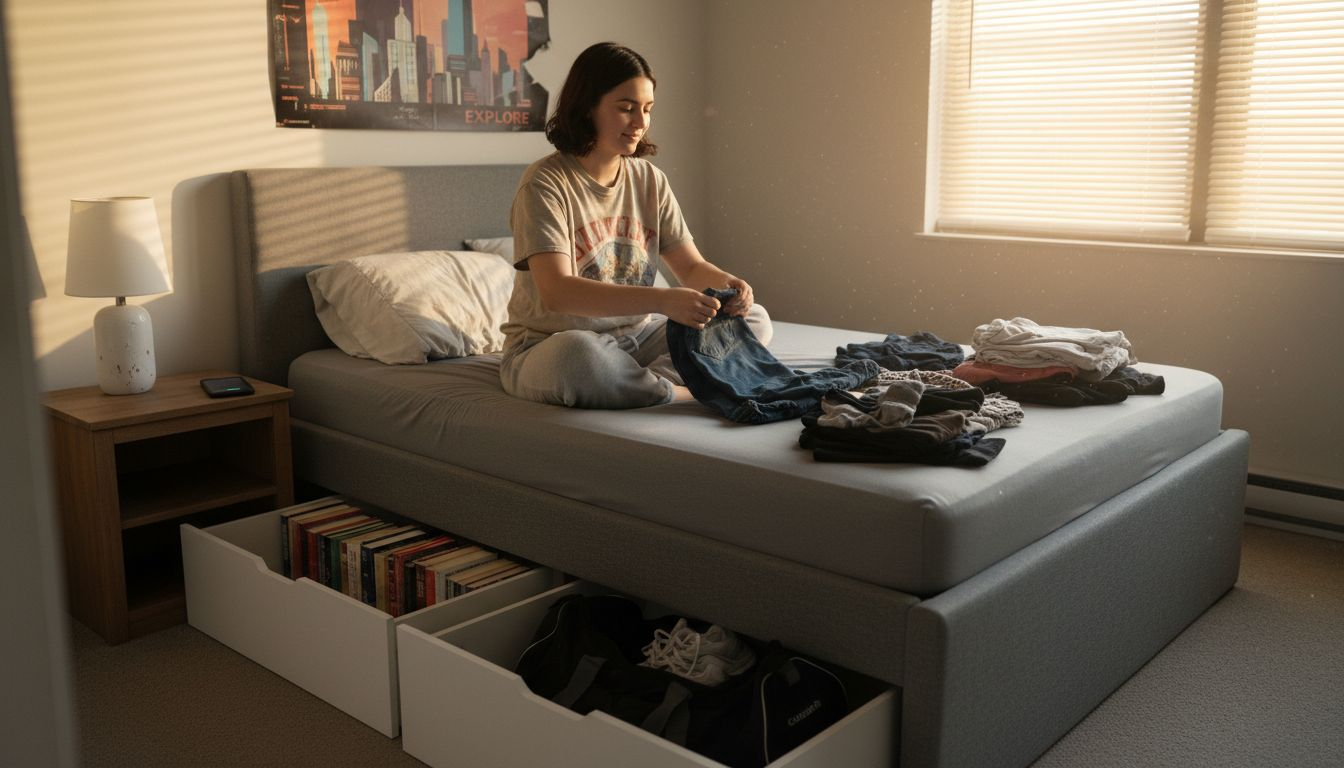
Storage beds exemplify smart multifunctionality. Built-in drawers or lift-up platforms eliminate the need for separate dressers, freeing floor space for other uses. Some models integrate nightstands or shelving, consolidating bedroom furniture into a single cohesive unit. This approach particularly benefits studio apartments or smaller bedrooms where every square foot counts.
Extendable dining tables adapt to different situations seamlessly. Compact for everyday meals, they expand to accommodate dinner guests without permanently occupying extra space. Drop-leaf designs, hidden leaves, and clever mechanisms make transitions smooth and tool-free. You gain flexibility without compromising daily convenience.
Modular furniture systems take adaptability further. Sectional sofas reconfigure as living situations change. Shelving units expand or contract based on storage needs. These pieces grow with you, supporting different layouts as family size, work requirements, or personal preferences evolve.
Space optimization strategies include:
- Wall-mounted desks folding away when not needed
- Ottoman coffee tables providing both seating and hidden storage
- Nesting tables offering surface area only when required
- Convertible sofa beds transforming living rooms into guest accommodations
The modern home decor urban guide demonstrates how strategic furniture choices create functional, beautiful spaces regardless of square footage.
Pro Tip: Measure your space carefully before purchasing multifunctional furniture. Know the dimensions both in standard and expanded configurations to ensure pieces fit comfortably in all positions. This prevents frustrating returns and guarantees you’ll actually use all available features.
Multifunctionality extends furniture lifespan by maintaining relevance through life changes. A storage ottoman useful in a first apartment remains practical in a larger home, just serving different needs. This adaptability represents smart long-term investment.
Ergonomics and comfort improvements in modern furniture
The stereotype of uncomfortable minimalist furniture no longer reflects reality. Today’s modern pieces prioritize ergonomic support and tactile comfort while maintaining clean aesthetic lines. Modern furniture incorporates curved forms and plush materials like bouclé and velvet to create inviting spaces that feel as good as they look.
Ergonomic design considers how bodies actually interact with furniture. Chairs support natural spine curves, reducing back strain during long periods of sitting. Sofas feature seat depths and cushion firmness calculated for optimal comfort without sacrificing support. Desks position work surfaces at heights preventing shoulder and wrist stress.
Material choices enhance the comfort equation. Deep cushions filled with high-density foam maintain shape while providing soft surfaces. Velvet and bouclé fabrics add warmth and texture, inviting touch and creating cozy atmospheres. These materials prove modern furniture can be both visually refined and physically welcoming.
The contrast with dated minimalism is striking:
- Hard surfaces replaced by layered cushioning
- Angular forms softened with rounded edges
- Cold metals balanced by warm textiles
- Stark whites mixed with earthy tones
Consumer satisfaction data confirms this evolution. People report higher comfort levels with contemporary modern furniture compared to pieces from a decade ago. The market responded to feedback that style shouldn’t require sacrificing physical ease.
“Modern furniture in 2026 rejects the false choice between beauty and comfort. Today’s designs prove you can have both, with ergonomic support wrapped in inviting materials that make homes feel truly livable.”
For those styling modern living rooms, comfort should guide furniture selection as much as aesthetics. Test pieces in person when possible, sitting and touching materials to verify they meet your needs. Read reviews focusing on long-term comfort rather than just appearance.
The integration of organic forms adds visual interest while improving ergonomics. Curved chair backs follow body contours naturally. Rounded sofa arms provide comfortable resting spots for arms and heads. These shapes create welcoming environments that encourage relaxation and connection.
Durability and craftsmanship: quality over quantity
The furniture industry is experiencing a renaissance in craftsmanship. Quality and craftsmanship now outweigh volume as consumers reject disposable furniture in favor of pieces built to last. This shift reflects growing awareness that initial savings on cheap furniture cost more over time through repeated replacements.
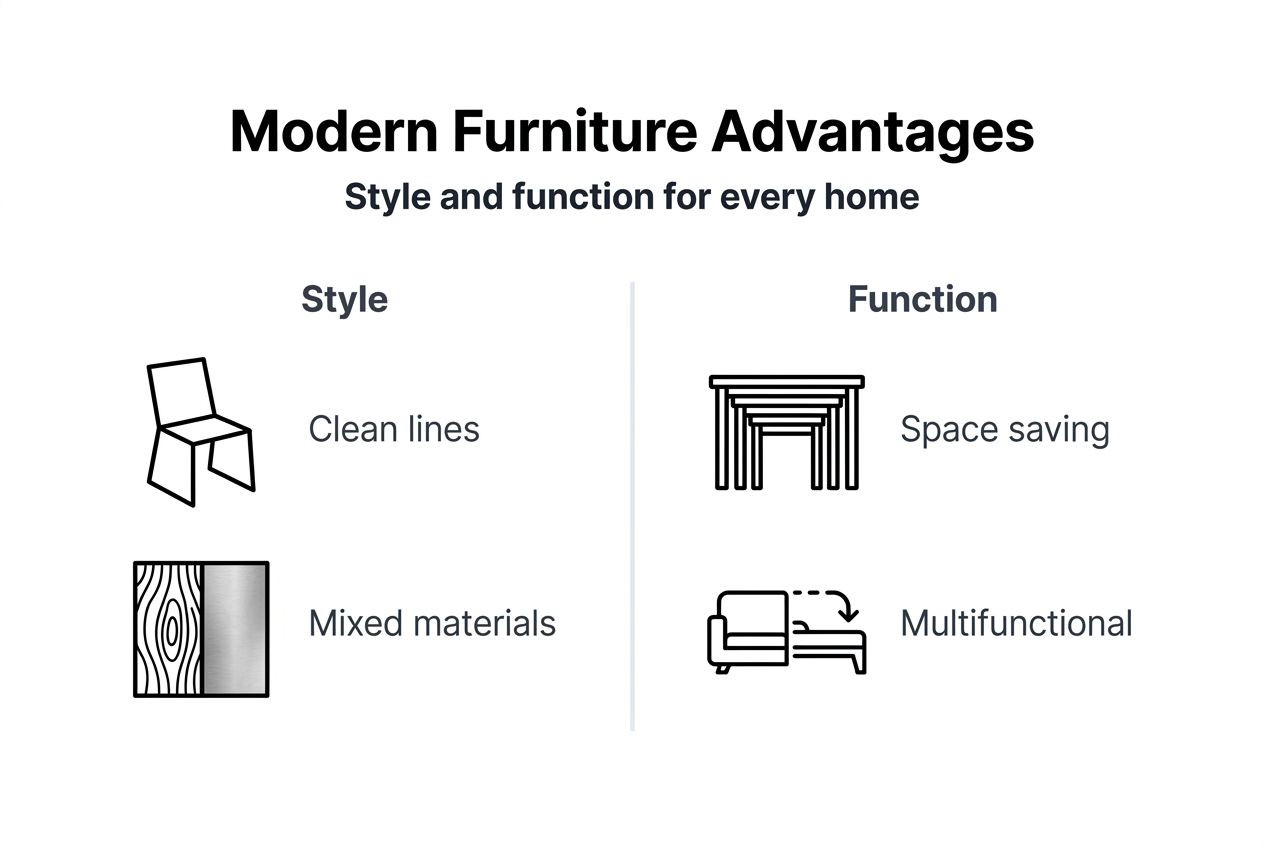
Artisanal techniques distinguish quality modern furniture. Visible joinery showcases the skill involved in construction, from dovetail drawers to mortise and tenon connections. These traditional methods create stronger bonds than screws or staples, ensuring furniture withstands years of daily use. Hand-applied finishes allow wood grain to shine through while protecting surfaces.
Premium materials justify higher price tags through longevity. Solid hardwoods resist warping and damage better than particle board or veneer. Full-grain leather develops attractive patina instead of cracking like bonded alternatives. Metal frames made from steel or aluminum support weight indefinitely without bending.
The value proposition becomes clear with simple math. A quality sofa costing $2,000 and lasting 15 years costs $133 annually. A cheap $500 sofa replaced every 3 years costs $167 annually, plus the hassle of shopping and disposal. Quality furniture represents better financial investment even before considering environmental impact.
Craftsmanship indicators to look for:
- Solid wood frames rather than engineered wood products
- Hand-tied springs in upholstered pieces
- Reinforced corner blocks adding structural integrity
- Finishes you can repair and refresh over time
When upgrading living room furniture, prioritize construction quality over trendy details. Well-built pieces remain functional and attractive long after fads fade. They also retain resale value if you eventually want different styles.
Pro Tip: Ask manufacturers about warranties and repair policies before purchasing. Companies confident in their craftsmanship offer substantial guarantees and provide guidance for maintaining pieces. This support extends furniture life and protects your investment.
The focus on quality over quantity aligns perfectly with sustainability goals. Durable furniture reduces waste and resource consumption while delivering superior user experience. It’s an approach where environmental responsibility and personal benefit converge.
Trends defining modern furniture aesthetics in 2026
Current aesthetic trends reveal how modern furniture balances innovation with warmth. The sterile, all-white spaces of earlier minimalism have given way to richer, more textured environments that feel lived-in and personal. Understanding these trends helps you make choices that feel current without becoming quickly dated.
Mixed wood tones represent a major shift from matching sets. Instead of furniture in identical finishes, spaces now feature walnut tables alongside oak shelving and maple chairs. This approach adds visual interest and depth while appearing more collected and intentional. It also simplifies furniture acquisition since you’re not locked into finding exact matches.
Organic curves soften modern interiors. Rounded sofas, oval tables, and arched headboards create gentle visual flow compared to rigid rectangular forms. These shapes feel more approachable and comfortable while maintaining modern sensibility. The curves also improve functionality, eliminating sharp corners that catch clothing or pose safety concerns.
| Trend | Characteristics | Benefits |
|---|---|---|
| Mixed materials | Wood combined with metal, glass, fabric | Adds visual texture and dimension |
| Curved forms | Rounded edges, circular shapes | Creates welcoming, safe spaces |
| Bold finishes | Matte black, brushed brass, powder coating | Provides statement pieces without pattern |
| Natural textures | Rattan, jute, linen, bouclé | Brings warmth and tactile interest |
Color use has evolved beyond neutrals. While foundations remain in beiges, grays, and whites, accent pieces in terracotta, sage green, or navy blue add personality. These colors ground spaces and provide visual anchors without overwhelming clean lines. The key is using color intentionally on statement pieces rather than across all furniture.
Tactile materials enhance sensory experience:
- Bouclé upholstery adding nubby texture
- Live-edge wood preserving natural character
- Linen slipcovers creating relaxed elegance
- Concrete or stone tops providing cool contrast
The modern furniture 2026 guide explores how these trends work together in cohesive spaces. Following the modern interior design guide helps avoid common pitfalls when mixing styles and materials.
For deeper exploration of premium options, 2026 luxury furniture trends showcase high-end interpretations of these aesthetic directions. Even if budget limits luxury purchases, understanding the trends helps make informed choices at any price point.
Common misconceptions about modern furniture
Several persistent myths prevent people from considering modern furniture despite its advantages. Addressing these misconceptions directly helps you make decisions based on facts rather than outdated stereotypes.
Myth one: modern furniture sacrifices comfort for aesthetics. This belief stems from early minimalist designs prioritizing form over function. Current modern furniture integrates ergonomic principles and plush materials as standard features. Deep cushions, supportive frames, and soft textiles prove style and comfort coexist naturally.
Myth two: modern pieces lack durability compared to traditional furniture. Quality modern furniture often exceeds traditional pieces in longevity due to superior materials and construction techniques. Solid wood frames, reinforced joinery, and durable finishes ensure modern furniture withstands heavy use. The difference lies in quality level rather than style category.
Myth three: modern furniture costs more than traditional options. Price ranges exist across all furniture styles. While designer modern pieces command premium prices, affordable modern options fill every budget level. The perception of expense often reflects exposure to high-end showrooms rather than market reality. Many modern designs use efficient construction methods that actually reduce costs.
Additional misconceptions include:
- Modern furniture looks cold and uninviting (mixed materials and organic forms create warmth)
- Everything must match exactly (eclectic mixing is encouraged)
- Modern style limits color use (strategic color adds personality)
- Only new construction suits modern furniture (it adapts to any architecture)
These myths often persist because people encountered poorly executed modern design or low-quality pieces masquerading as modern style. Genuine modern furniture thoughtfully balances all elements: aesthetics, comfort, durability, and value.
Understanding the reality behind misconceptions empowers confident furniture selection. You can evaluate pieces based on actual qualities rather than assumptions. This knowledge particularly helps when explaining modern furniture benefits to family members or roommates who share these common misunderstandings.
How modern furniture adapts to evolving lifestyles
Lifestyles change constantly, and modern furniture design anticipates this fluidity. The same space serves as home office by day, entertainment area by evening, and guest room occasionally. Furniture supporting these multiple functions without requiring complete room overhauls offers tremendous practical value.
Smart technology integration makes furniture more responsive. Built-in USB ports and wireless charging pads eliminate cable clutter while keeping devices powered. LED lighting integrated into shelving or headboards provides ambient illumination without separate lamps. Some pieces even include Bluetooth speakers or adjustable features controlled via smartphone apps.
Modular systems adapt as circumstances change. A young professional’s studio furniture reconfigures when they move to a larger apartment. Sectional components separate for different room layouts. Shelving units expand or contract based on storage needs. This flexibility protects furniture investment through multiple life stages.
The balance modern furniture strikes between elements creates its versatility:
- Clean lines work with various decor styles
- Neutral foundations accept seasonal accent changes
- Multifunctional designs serve different purposes
- Durable construction withstands heavy use
Work-from-home trends particularly benefit from modern furniture adaptability. Desks with cable management keep home offices organized. Comfortable task chairs support long work sessions without dominating room aesthetics. Storage solutions hide work materials when spaces transform back to living areas.
Modern furniture also accommodates changing household compositions. Pieces suitable for a single person work equally well when a partner moves in. Guest-ready furniture handles visiting family without dedicated guest rooms. As families grow, modular and multifunctional pieces adjust to new needs without requiring complete replacement.
The emphasis on flexibility means modern furniture remains relevant longer. Rather than becoming obsolete when life circumstances change, well-chosen pieces continue serving new purposes. This adaptability represents both practical convenience and financial wisdom.
Practical tips for selecting modern furniture for your home
Choosing the right modern furniture requires balancing multiple factors. These practical steps guide you toward pieces that truly enhance your space and support your lifestyle.
-
Assess your space dimensions and constraints. Measure rooms carefully, noting door widths, ceiling heights, and permanent fixtures. Consider traffic flow and how furniture arrangement affects movement. Create a floor plan to visualize placement before purchasing.
-
Identify your primary needs and priorities. List how you use each room and what functions furniture must support. A living room serving as home office requires different pieces than one focused on entertainment. Be honest about lifestyle patterns rather than aspirational uses.
-
Set a realistic budget accounting for quality. Determine what you can spend comfortably, then allocate more to heavily used pieces like sofas and beds. Quality core items paired with budget accent pieces create balanced spaces without overspending.
-
Prioritize sustainable and multifunctional options. Look for furniture made from responsible materials that serves multiple purposes. These choices deliver better long-term value while aligning with environmental values.
-
Test furniture in person when possible. Sit on sofas and chairs to verify comfort. Open drawers and doors to check construction quality. Touch materials to ensure they meet expectations. Photos don’t convey physical experience accurately.
-
Consider long-term versatility over trends. Choose pieces that adapt to different styles through accessory changes. Neutral furniture foundations allow easier updates than bold statement pieces you might tire of quickly.
-
Coordinate furniture and lighting for cohesion. Modern furniture looks best with appropriate lighting that highlights clean lines and materials. Plan ambient, task, and accent lighting as you select furniture pieces.
-
Read reviews focusing on durability and comfort. Customer experiences reveal how furniture performs over months and years. Look for patterns in feedback rather than individual complaints.
-
Verify return policies and warranties before buying. Understand what protection you have if pieces don’t work in your space. Good warranties indicate manufacturer confidence in quality.
-
Start with key pieces and build gradually. You don’t need to furnish entire rooms at once. Begin with essential items, then add complementary pieces as budget allows and needs become clear.
Pro Tip: Take photos of your empty rooms and use them while furniture shopping. Seeing potential pieces against your actual walls, floors, and lighting helps visualize how they’ll look at home. This simple strategy prevents expensive mismatches.
These steps create a framework for confident furniture selection. Taking time to plan and prioritize ensures purchases that enhance daily life rather than creating buyer’s remorse.
Explore stylish modern furniture collections
Now that you understand modern furniture’s benefits, exploring curated collections helps translate knowledge into action. New Way Ref offers carefully selected pieces balancing style, function, and sustainability for homeowners building inviting spaces.
The home decor collections showcase furniture and accessories designed for modern living. You’ll find multifunctional pieces optimizing space alongside decorative elements adding personality. Each item reflects the quality craftsmanship and sustainable materials discussed throughout this guide.
Lighting completes modern furniture installations by highlighting clean lines and creating ambiance. The modern lighting selections feature fixtures coordinating with contemporary furniture styles. Proper lighting transforms how furniture looks and how spaces feel, making it an essential consideration alongside furniture purchases.
Pro Tip: When coordinating furniture and lighting, consider how pieces interact at different times of day. Natural daylight shows colors and textures differently than evening artificial light. Choose lighting that enhances furniture appearance in conditions when you’ll use spaces most.
FAQ
Is modern furniture always more expensive than traditional furniture?
Modern furniture spans all price ranges, just like traditional styles. While designer pieces command premium prices, many affordable modern options exist for budget-conscious shoppers. Sustainable materials and multifunctional designs often provide better long-term value through durability, potentially costing less over furniture’s lifetime than cheaper alternatives requiring frequent replacement.
Can modern furniture fit well in small living spaces?
Modern furniture excels in small spaces due to intentional space-saving design. Multifunctional pieces like storage beds and extendable tables maximize utility without cluttering rooms. Modular systems adapt to different layouts as needs change, making modern furniture ideal for urban apartments and evolving living situations where flexibility matters most.
How does modern furniture incorporate sustainability without sacrificing style?
Sustainable materials like reclaimed wood, bamboo, and recycled fabrics enable stylish furniture that’s environmentally responsible. Manufacturers balance eco-consciousness with current aesthetic trends, using warm textures and organic forms that create inviting spaces. Quality construction ensures pieces last decades, reducing environmental impact while maintaining visual appeal throughout their lifespan.