

Think modern furniture means cold, sterile minimalism? That outdated idea stops many from discovering 2026’s inviting designs. Today’s modern furniture blends organic shapes with warmth, natural materials, and sustainability. This guide reveals what truly defines modern furniture now, debunks common myths, and shows you how to choose pieces that transform your space into a functional, stylish sanctuary.
Table of Contents
- Understanding Modern Furniture In 2026
- Key 2026 Furniture Trends Defining Modern Style
- Common Misconceptions About Modern Furniture
- Comparing Modern Furniture To Other Styles
- Practical Buying Guide For Modern Furniture
- Explore Modern Furniture Solutions At New Way Ref
- Frequently Asked Questions
Key takeaways
| Point | Details |
|---|---|
| Modern furniture evolution | 2026 designs prioritize organic curves, natural woods, and warm textures over rigid minimalism. |
| Dominant trends | Sustainability leads furniture choices, alongside modularity, artisan craftsmanship, and smart technology. |
| Style misconceptions | Modern furniture embraces warmth and comfort, not just stark minimalism. |
| Comparative features | Modern furniture differs from mid-century and traditional styles in shape, materials, and priorities. |
| Buying essentials | Evaluate eco-friendly materials, multifunctionality, comfort, and craftsmanship for smart purchases. |
Understanding modern furniture in 2026
Modern furniture has transformed dramatically. Gone are the days when it meant only stark white walls and uncomfortable angular seating. In 2026, modern furniture is characterized by transitioning from rigid minimalism to organic, curved shapes that create calming, fluid living spaces.
Today’s modern pieces emphasize warmth and comfort alongside clean lines. Natural materials like oak, walnut, and bamboo replace synthetic finishes. Soft curves dominate where sharp angles once ruled. Tactile textures invite touch, making spaces feel lived in rather than museum like.
Core characteristics define 2026 modern furniture. You’ll find fluid silhouettes that mimic nature, furniture scaled for real life comfort, and finishes that highlight natural grain patterns. Color palettes lean toward warm neutrals, earthy tones, and muted greens. Every piece balances visual simplicity with functional complexity.
Our modern interior design guide 2026 avoid furniture mistakes explores how to apply these principles throughout your home. Understanding this evolution helps you recognize authentic modern design when shopping.
Fundamental materials in modern furniture include:
- Reclaimed and sustainably sourced hardwoods
- Recycled metals with matte or brushed finishes
- Natural fibers like linen, cotton, and wool
- Low VOC paints and plant based stains
- Engineered woods certified by FSC standards
- Glass and ceramic with minimal processing
These materials support both aesthetic goals and environmental responsibility. They age gracefully, developing character over time rather than deteriorating. When you choose modern furniture built from quality natural materials, you invest in pieces that adapt to changing trends while maintaining their core appeal.
Key 2026 furniture trends defining modern style
Sustainability is the dominant furniture trend in 2026, with increased consumer demand for reclaimed wood, recycled metal, and eco-friendly finishes. Manufacturers respond by prioritizing circular design principles where furniture can be disassembled, repaired, and eventually recycled. This shift reflects broader environmental awareness among homeowners and young professionals.
Modular and multifunctional furniture addresses shrinking living spaces in urban areas. Sofas convert to guest beds, coffee tables expand for dining, and storage units reconfigure for different room layouts. These pieces solve real problems while maintaining aesthetic appeal. Our guide on why upgrade living room furniture explains how adaptable pieces maximize value.
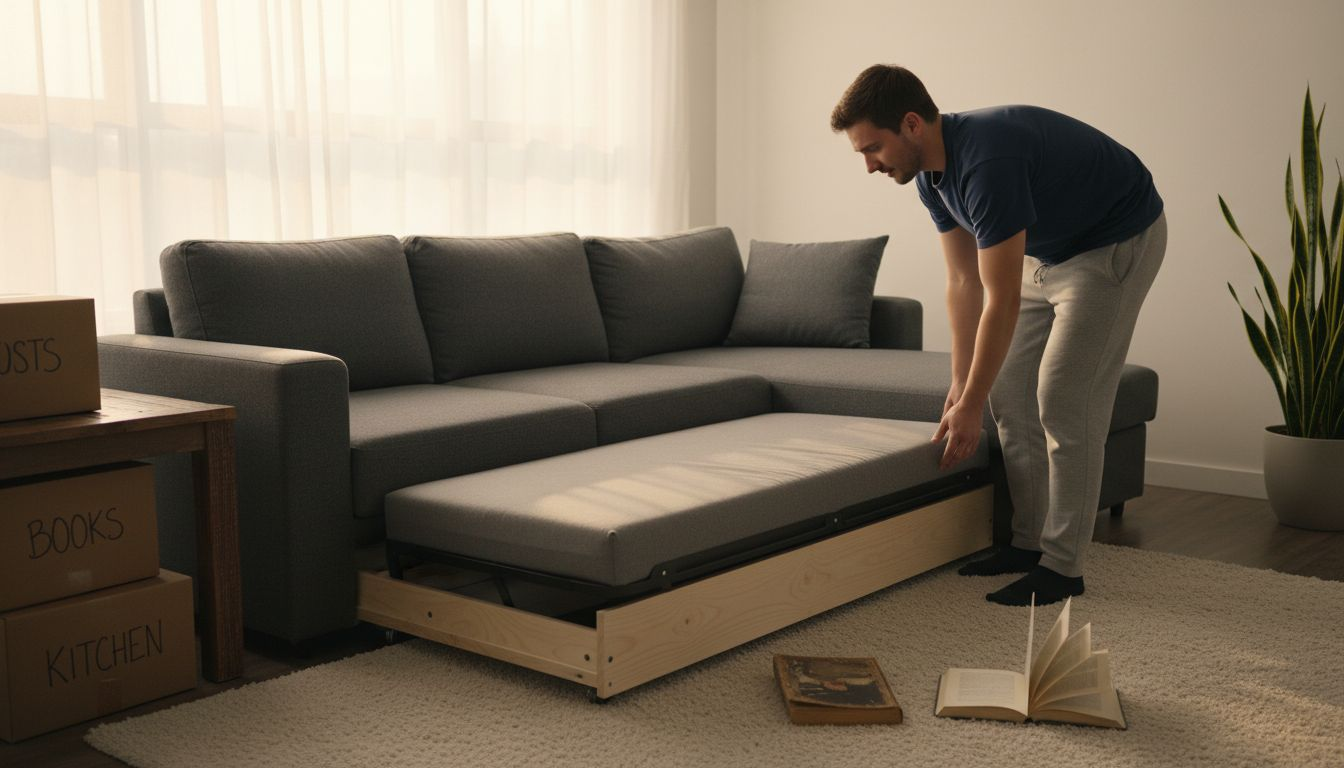
Artisanal craftsmanship resurges as consumers reject mass production uniformity. Hand carved details, visible joinery, and small batch production create furniture with personality. Each piece tells a story through subtle imperfections and maker’s marks. This trend connects modern design to traditional woodworking heritage.
Smart technology integration emerges thoughtfully in 2026 furniture. Tables include wireless charging surfaces, sofas feature built in USB ports, and lighting responds to voice commands. The key difference from earlier attempts? Technology serves function without dominating form. Learn more in our smart home decor explained article.
Key trends shaping modern furniture choices:
- Carbon neutral production and shipping methods
- Modular systems that grow with your needs
- Local artisan collaborations ensuring quality
- Biophilic design connecting indoor spaces to nature
- Transparent supply chains from forest to showroom
Pro Tip: Verify sustainability claims by checking for FSC certification on wood products, Cradle to Cradle ratings for overall environmental impact, and GREENGUARD certification for low chemical emissions. Quality craftsmanship reveals itself in tight joinery, smooth finishes, and substantial weight that indicates solid construction rather than veneers over particleboard.
Our step by step guide to modern home decor shows how to integrate these trends cohesively throughout your space.
Common misconceptions about modern furniture
Many still believe modern furniture sacrifices comfort for aesthetics. This myth originated from early minimalist movements that prioritized form over function. Current designs prove you can have both. Eighty percent of leading 2026 design showcases highlight warm minimalism over rigid minimalism, featuring plush seating, layered textures, and inviting arrangements.
Another misconception suggests sustainable furniture compromises style or durability. Reality contradicts this completely. Eco-friendly materials like reclaimed hardwood often exceed new lumber in strength because they come from old growth trees with tighter grain patterns. Recycled metals resist corrosion better after processing. Natural finishes develop rich patinas that synthetic coatings cannot replicate.
The belief that mass production dominates modern furniture ignores the artisan revival. While affordable production lines exist, they coexist with thriving maker communities. Small workshops use CNC technology to scale handcrafted designs without losing personal touches. This hybrid approach makes quality accessible.
Some assume modern furniture lacks personality or warmth. They picture sterile showrooms with chrome and glass. Today’s reality includes textured fabrics, varied wood tones, and sculptural forms inspired by nature. Modern design now celebrates individuality through curated collections rather than matching sets.
Common myths debunked:
- Modern doesn’t mean uncomfortable or impractical
- Sustainability enhances rather than limits design options
- Artisan quality reaches mainstream markets affordably
- Organic shapes and warm materials define current aesthetics
- Technology integrates invisibly when done right
Understanding these realities helps you make confident choices. Our article on why choose contemporary furniture further explores how modern pieces enhance daily living without sacrificing comfort or style.
Comparing modern furniture to other styles
Modern furniture distinguishes itself through specific design priorities that contrast with other popular styles. Understanding these differences helps you identify authentic pieces and create cohesive spaces.
Shape and form differ dramatically across styles. Modern furniture features organic curves and fluid silhouettes that mimic natural forms. Mid-century modern emphasizes angular lines, tapered legs, and geometric precision. Traditional furniture showcases ornate carvings, decorative moldings, and elaborate details that communicate craftsmanship through embellishment.
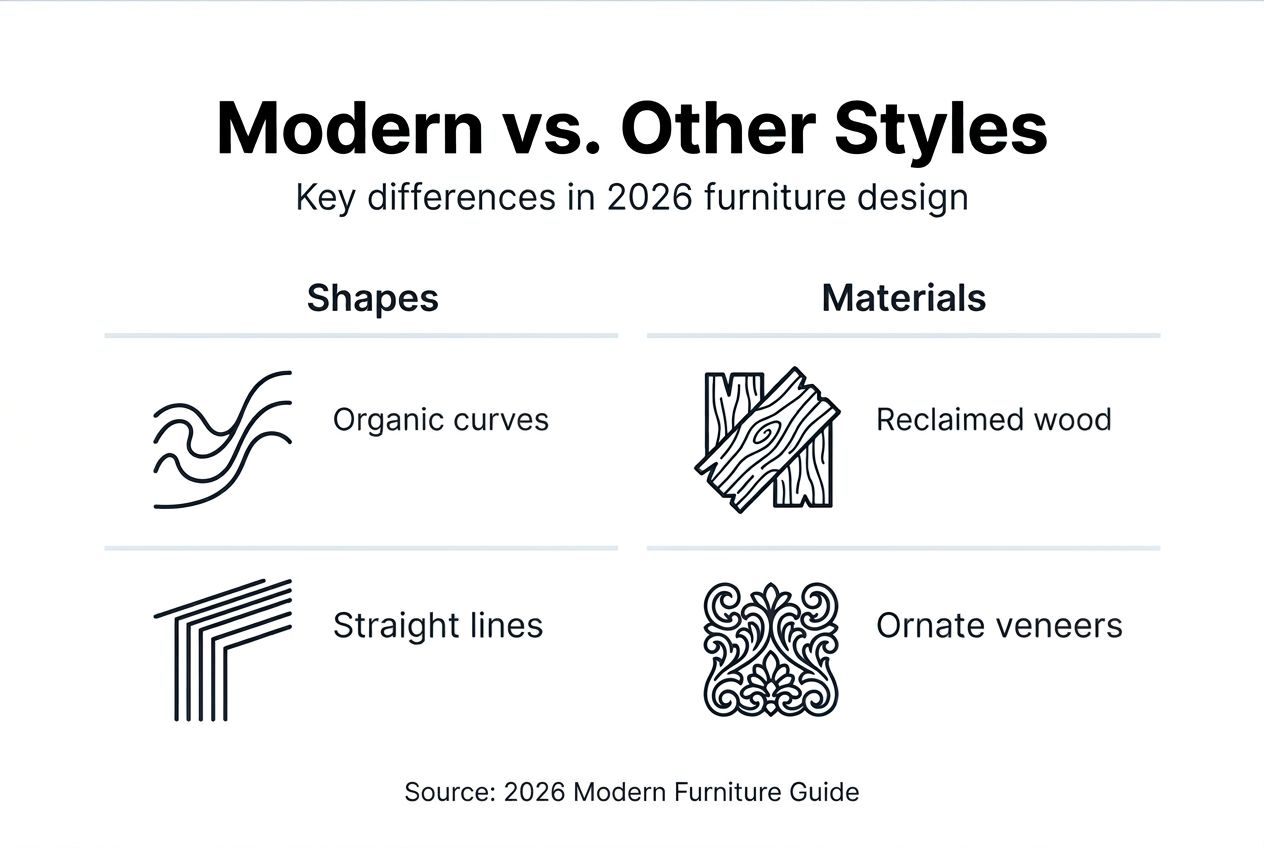
Material choices reveal philosophical differences. Modern designers favor reclaimed woods, recycled metals, and sustainable textiles that minimize environmental impact. Mid-century pieces traditionally use teak, walnut, and molded plywood celebrating industrial materials. Traditional furniture relies on mahogany, cherry, and richly stained hardwoods that convey permanence and heritage.
| Characteristic | Modern | Mid-Century Modern | Traditional |
|---|---|---|---|
| Primary shapes | Organic curves, fluid forms | Angular lines, geometric | Ornate details, curved backs |
| Key materials | Reclaimed wood, recycled metal | Teak, walnut, plywood | Mahogany, cherry, heavy woods |
| Design priority | Sustainability, modularity | Function, simplicity | Heritage, craftsmanship |
| Color palette | Warm neutrals, earth tones | Bold accents, natural wood | Rich stains, dark finishes |
| Adaptability | High, modular systems | Moderate, iconic pieces | Low, statement furniture |
Design priorities separate these approaches fundamentally. Modern furniture solves contemporary problems like small spaces and environmental concerns through modularity and sustainable sourcing. Mid-century modern emerged from postwar optimism, celebrating new materials and democratic design accessible to middle class families. Traditional furniture communicates stability, heritage, and social status through materials and craftsmanship that require significant investment.
Usage contexts differ too. Modern pieces adapt to changing needs, supporting minimalist or maximalist aesthetics equally well. Mid-century furniture works best in curated vintage inspired spaces where iconic forms take center stage. Traditional furniture anchors formal rooms and creates atmosphere through visual weight and decorative richness.
These distinctions aren’t rigid boundaries. Many successful interiors blend elements from multiple styles. The key lies in understanding each style’s core principles so you can mix intentionally rather than accidentally.
Practical buying guide for modern furniture
Smart furniture purchases start with material evaluation. Examine wood grain patterns, checking for consistency that indicates solid construction rather than veneer. Test metal finishes by running your hand across surfaces, feeling for smooth welds and even coating. Request sustainability certifications like FSC for wood or Cradle to Cradle for complete lifecycle assessment.
Prioritize multifunctional and modular pieces that adapt to your evolving needs. A sofa bed serves guests without dedicating space to a spare bedroom. Nesting tables expand for entertaining then tuck away for daily life. Modular shelving grows with your book collection or reconfigures when you move.
Balance comfort with aesthetics by testing furniture in person when possible. Sit in chairs for several minutes, noticing lumbar support and cushion firmness. Lie on sofas in positions you’d actually use. Beautiful furniture that causes backaches becomes expensive storage. Our modern interior design guide explains how to evaluate comfort systematically.
Steps for confident furniture decisions:
- Measure your space precisely, including doorways and hallways for delivery.
- Identify must have functions like storage, seating capacity, or workspace.
- Set a realistic budget including delivery and any assembly costs.
- Research materials and construction methods for pieces in your price range.
- Compare warranties, return policies, and customer service reputations.
- Test pieces in showrooms or order samples of fabrics and finishes.
- Plan for longevity by choosing neutral foundations with changeable accents.
Mix woods and textures thoughtfully to create visual interest without chaos. Pair light oak with darker walnut for contrast. Combine smooth leather with nubby linen for tactile variety. Layer metals by mixing matte black hardware with brushed brass accents. The goal is curated eclecticism, not matching showroom uniformity.
Pro Tip: Calculate total cost of ownership by dividing price by expected years of use, then adding estimated maintenance costs. A $1,200 sofa lasting 15 years with minimal upkeep costs $80 annually. A $600 sofa needing reupholstering after 5 years costs $220 annually when you factor in $500 for new fabric and labor. Quality indicators include kiln dried hardwood frames, eight way hand tied springs in upholstery, dovetail or mortise and tenon joinery in case goods, and full extension drawer glides rated for repeated use.
Explore modern furniture solutions at New Way Ref
Ready to bring 2026’s modern furniture trends into your home? New Way Ref curates sustainable, stylish pieces that embody everything discussed in this guide. Our collection prioritizes organic shapes, quality materials, and multifunctional design without compromising comfort or environmental responsibility.
Discover standout pieces like our modern farmhouse nesting coffee table crafted from solid wood with fluid curves that adapt to your space. Browse our complete home decor collection for textiles, accessories, and accents that complement modern furniture.
Complete your space with thoughtfully designed pieces from our lighting collection that enhance ambiance while supporting energy efficiency. Every product reflects our commitment to helping you create inviting, functional spaces that align with modern design principles and sustainable values.
Frequently asked questions
What defines modern furniture in 2026?
Modern furniture in 2026 emphasizes organic curves, natural materials like reclaimed wood, and warm minimalism rather than cold austerity. It prioritizes sustainability through eco-friendly production, modularity for adaptable living, and artisan craftsmanship that ensures durability.
How can I verify if furniture is sustainable?
Check for FSC certification on wood products, GREENGUARD certification for low emissions, and Cradle to Cradle ratings for overall environmental impact. Request transparency about sourcing, production methods, and end of life recyclability from manufacturers.
Are curved shapes common in modern furniture?
Yes, curved and organic shapes dominate 2026 modern furniture design, replacing the angular minimalism of previous decades. These fluid forms create calming environments and reflect biophilic design principles connecting indoor spaces to nature.
Can modern furniture be multifunctional?
Absolutely. Multifunctionality defines current modern furniture as designers respond to smaller living spaces and changing lifestyle needs. Modular systems, convertible pieces, and integrated storage maximize utility without sacrificing aesthetic appeal.
Is artisan craftsmanship important for durability?
Artisan craftsmanship directly impacts furniture longevity through superior joinery, quality material selection, and attention to structural integrity. Hand crafted pieces often outlast mass produced alternatives because makers stake their reputation on each item’s performance over decades.
Recommended
- Modern Interior Design Guide 2026: Avoid 75% Furniture Mistakes – New Way Ref
- Step-by-Step Guide to Modern Home Decor for Urban Spaces – New Way Ref
- Home Decor Guide 2026: Transform Your Urban Space Easily – New Way Ref
- Why Choose Contemporary Furniture for Modern Living – New Way Ref
- Comment choisir linge de maison : guide pour un intérieur raffiné – CXL by Christian Lacroix Maison