

Juggling a busy city lifestyle often means making the most of limited space at home. Urban living calls for smart design choices that help your space feel stylish and functional, without sacrificing comfort. Discover how a strategic space assessment, modern furniture selection, and carefully coordinated colors and lighting can turn your small city apartment into a reflection of your personality and needs. For young professionals, achieving a harmonious, modern home is all about clarity in goals and bold design decisions.
Table of Contents
- Step 1: Assess Your Space and Set Design Goals
- Step 2: Select Modern Furniture and Key Decor Pieces
- Step 3: Coordinate Colors, Textures, and Lighting Features
- Step 4: Arrange Furnishings for Maximum Function and Flow
- Step 5: Review and Refine Your Completed Home Decor
Quick Summary
| Key Takeaway | Explanation |
|---|---|
| 1. Assess Your Space Thoughtfully | Evaluate your current living environment to identify functional improvements and design goals. |
| 2. Choose Multifunctional Furniture | Select compact, stylish pieces that serve multiple purposes to maximize space and utility. |
| 3. Coordinate Colors and Lighting Carefully | Harmonize colors and textures with appropriate lighting to create a visually appealing environment. |
| 4. Arrange for Flow and Functionality | Strategically place furniture to enhance movement and interaction in each room. |
| 5. Review and Refine Your Decor | Continuously evaluate your space for comfort and personal expression, making adjustments as needed. |
Step 1: Assess Your Space and Set Design Goals
Transforming your urban living space starts with a strategic evaluation of your current environment. Conducting a thoughtful space assessment helps you understand how your home functions and identify opportunities for improvement.
Begin by walking through each room with a critical eye, taking detailed notes about the current layout and functionality. Key aspects to evaluate include:
- Existing furniture placement
- Traffic flow and movement patterns
- Natural light availability
- Storage capabilities
- Areas of potential clutter
As you assess your space, focus on understanding how each area currently serves your lifestyle. Design goal planning requires honest reflection about your needs, preferences, and daily routines.
Consider creating a simple diagram or sketch that maps out your current space, marking potential improvements and areas requiring redesign. This visual approach helps transform abstract ideas into concrete design objectives.
Your living space should reflect your personality while maintaining practical functionality.
Pro tip: Take smartphone photos of each room to review objectively and identify design opportunities you might miss during initial walkthroughs.
Step 2: Select Modern Furniture and Key Decor Pieces
Choosing the right furniture and decor pieces is crucial in transforming your urban living space into a stylish and functional environment. When selecting contemporary furniture for modern living, focus on pieces that maximize both aesthetics and practicality.
Consider the following strategies for curating your modern home decor:
- Multifunctional furniture with clean lines and minimal design
- Neutral color palettes with strategic accent pieces
- Compact furniture that fits urban living spaces
- Modular designs that offer flexibility
- Pieces that reflect your personal style
Prioritize furniture that serves multiple purposes in small spaces. A sleek sofa bed, expandable dining table, or ottoman with hidden storage can dramatically increase your living area’s functionality. Modern home decor principles emphasize creating visual harmony while maintaining practical utility.
Here’s a summary of smart furniture choices and their impact on urban living spaces:
| Furniture Type | Key Benefit | Example Use Case |
|---|---|---|
| Modular sofa | Flexible seating, easy reconfiguration | Entertaining guests |
| Expandable dining table | Saves space, adapts for more people | Small apartment dining |
| Storage ottoman | Adds hidden storage, seating option | Storing blankets, magazines |
| Wall-mounted shelves | Maximizes vertical space | Displaying decor, books |
Select furniture that tells a story while solving your spatial challenges.
Focus on creating visual balance by mixing textures, materials, and geometric shapes. Invest in quality statement pieces that anchor your room and complement your overall design aesthetic.
Pro tip: Measure your space precisely before purchasing furniture and create a digital or paper layout to visualize how pieces will interact.
Step 3: Coordinate Colors, Textures, and Lighting Features
Creating a harmonious urban living space requires thoughtful coordination of colors, textures, and lighting elements. 2026 decor trends highlight bold color combinations that transform your home into a sophisticated and personalized environment.
Consider these strategies for creating visual depth and interest:
- Warm neutral base colors with vibrant accent pieces
- Layered textures like bouclé fabrics and carved wood elements
- Metallic accents to add luxury and dimension
- Ambient and task lighting combinations
- Organic materials that create visual warmth
Focus on creating a balanced color palette that reflects your personal style. Modern design trends emphasize coordinating natural materials with intentional lighting placement. Mix textures like smooth ceramics with rough textiles to add visual complexity and depth to your space.
Lighting is the jewelry that completes your room’s design outfit.
Experiment with different lighting sources - floor lamps, pendant lights, and recessed fixtures - to create layers of illumination that enhance both functionality and mood. Choose fixtures that complement your furniture and color scheme while providing flexible lighting options.
Compare popular lighting solutions for urban spaces:
| Lighting Type | Atmosphere Created | Practical Advantage |
|---|---|---|
| Floor lamp | Soft, inviting | Movable, fits small spaces |
| Pendant light | Modern, focused | Highlights dining or entry |
| Recessed lighting | Sleek, unobtrusive | Uniform, saves ceiling space |
| Table lamp | Cozy, personal | Easy task lighting |
Pro tip: Use removable color swatches and lighting samples to test combinations before making final design commitments.
Step 4: Arrange Furnishings for Maximum Function and Flow
Transforming your urban living space requires strategic furniture placement that maximizes both functionality and visual appeal. Effective furniture placement balances scale and traffic flow to create a harmonious living environment.
Consider these key strategies for optimal furniture arrangement:
- Create clear walking pathways
- Group furniture to encourage conversation
- Establish focal points in each room
- Maintain proportional scale between furniture pieces
- Allow breathing room around key furniture items
Start by identifying the primary function of each space. In living areas, arrange seating to promote interaction while maintaining easy movement. For smaller urban spaces, select furniture that serves multiple purposes and can be easily reconfigured.
Furniture should enhance your lifestyle, not restrict your movement.
Pay special attention to ergonomic positioning and accessibility. Consider how you naturally move through the space and arrange furniture to support those patterns. Avoid blocking windows or creating awkward navigation challenges that can make your home feel cramped.
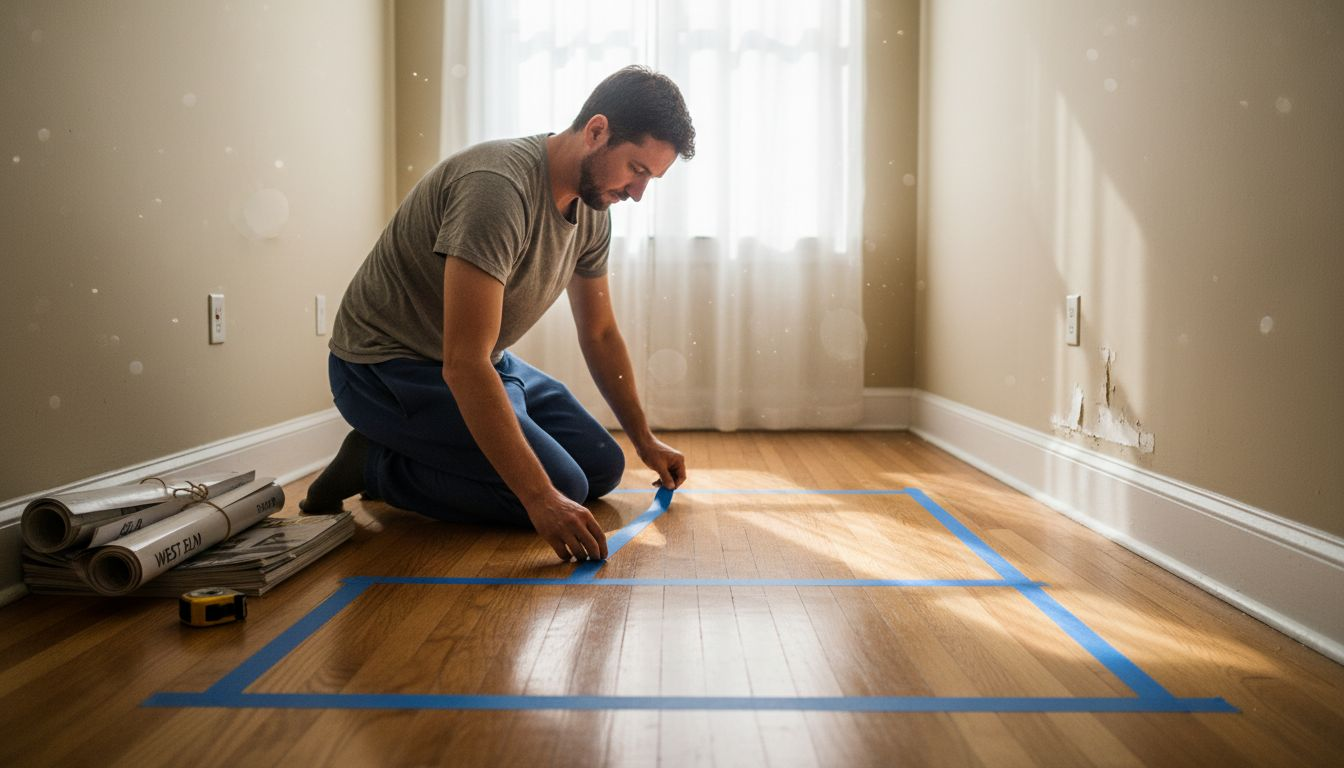
Pro tip: Use painter’s tape to outline furniture placement on the floor before moving heavy pieces, helping you visualize the layout without physical strain.
Step 5: Review and Refine Your Completed Home Decor
The final stage of your home decor transformation involves critically evaluating your design to ensure it meets your original vision and lifestyle needs. Reviewing home decor requires assessing color harmony and functionality to create a truly personalized living space.
Consider these refinement strategies:
- Evaluate overall design cohesiveness
- Check comfort and functionality of each area
- Assess lighting and its impact on room mood
- Identify potential areas for subtle adjustments
- Ensure personal touches reflect your personality
Take time to step back and view your space objectively. Refining decor focuses on sustainability and personalization by making intentional, meaningful updates that enhance your living environment.
A well-designed space evolves with you, telling your unique story.
Don’t be afraid to make small tweaks that improve comfort and visual appeal. Move accessories, adjust lighting, or swap out accent pieces to keep your space feeling fresh and dynamic. Remember that home decor is an ongoing process of personal expression.
Pro tip: Take periodic photos of your space to track design evolution and help you identify potential improvements more objectively.
Elevate Your Urban Home With Thoughtful Decor Choices
Redesigning your urban living space can be both exciting and challenging. This guide highlights the need for strategic furniture placement, cohesive color schemes, and versatile lighting solutions to bring your unique vision to life. If you aim to combine style and function while reflecting your personality, exploring modern furniture and home accents is a must. Our curated Home Decor collection offers elegant pieces designed to maximize small spaces without compromising comfort or aesthetic charm.
Discover how easy it is to transform your space by shopping smart and stylish essentials from Lighting to curated home accessories on New Way Ref. Enjoy free shipping on qualifying orders and find the perfect elements to complete your home. Act now to start shaping an inviting, harmonious urban sanctuary that truly reflects your lifestyle.
Frequently Asked Questions
How can I assess my space before decorating for 2026?
To assess your space effectively, walk through each room and take notes on the layout, functionality, and areas of clutter. Identify how each area serves your lifestyle by noting existing furniture placement and natural light availability.
What types of furniture should I consider for my urban living space?
Focus on selecting multifunctional furniture that maximizes both aesthetics and practicality, such as modular sofas and expandable tables. Aim for pieces that fit your space comfortably and serve multiple purposes to enhance functionality.
How do I coordinate colors and textures in my home decor?
Create a balanced color palette by combining warm neutral base colors with vibrant accent pieces and various textures. Experiment with layering materials, such as combining smooth ceramics with rough fabrics, to add depth to your design.
What are some tips for arranging furniture in my urban space?
To arrange your furniture effectively, create clear walking pathways and group pieces to encourage conversation. Ensure each area has a focal point and allow space around key items for easy movement, making your home feel open and inviting.
How can I evaluate my completed home decor design?
Review your design by assessing the overall cohesiveness and functionality of each area. Take time to step back and look for any potential adjustments, ensuring your personal touches truly reflect your style and make your space comfortable.