

Choosing kitchen decor in 2026 feels overwhelming with so many competing trends and product options flooding the market. The key is balancing what’s on trend with what will remain timeless, ensuring your style choices work seamlessly with function and durability. This article highlights the top kitchen decor trends for 2026 and walks you through clear selection criteria so you can confidently create a warm, functional, and lasting kitchen space.
Table of Contents
- How To Choose Kitchen Decor: Key Criteria For 2026
- Warm Minimalism And Natural Materials
- Color Trends And Two-Tone Cabinetry
- Smart Technology And Seamless Integration
- Storage Innovations And Functional Zoning
- Comparing Cabinet Materials And Styles
- Summary Comparison And Situational Recommendations
- Explore Stylish Kitchen Decor And Lighting At New Way Ref
- Frequently Asked Questions
Key takeaways
| Point | Details |
|---|---|
| Warm minimalism defines 2026 | Natural wood materials and matte finishes create calm, inviting kitchens without cold sterility. |
| Two-tone cabinetry adds depth | Pairing lighter upper cabinets with darker bases offers more visual interest than all-white designs. |
| Smart tech integrates seamlessly | Motion sensors, voice controls, and hidden appliances enhance function without cluttering your design. |
| Storage innovations improve flow | Discreet pantries, custom dividers, and functional zones optimize space and maintain clean aesthetics. |
| Material comparison guides choices | Weighing wood, painted, and engineered finishes helps match your style, budget, and maintenance needs. |
How to choose kitchen decor: Key criteria for 2026
Before diving into specific trends, you need a solid framework for evaluating kitchen decor options. The right choices balance aesthetic appeal with practical longevity, ensuring your kitchen remains functional and stylish for years.
Start by considering how well a trend will age. Balancing trendiness with timelessness prevents costly redesigns in just a few years. Natural materials like wood typically offer better durability than trendy painted finishes that may chip or fade.
Evaluate how each decor element fits your specific kitchen layout and daily maintenance capacity. A massive island works beautifully in open spaces but overwhelms compact kitchens. Similarly, high-gloss finishes show every fingerprint, demanding constant cleaning.
Integration potential with smart technology has become increasingly critical in 2026. Modern kitchens benefit from motion-sensor faucets, voice-activated lighting, and panel-ready appliances that blend into cabinetry. These features add convenience without visual clutter.
Consider these essential criteria when selecting kitchen decor:
- Color impact: Warm neutrals create inviting spaces while bold accents add personality
- Storage efficiency: Hidden solutions maximize space and maintain clean sightlines
- Maintenance requirements: Choose finishes matching your cleaning routine and lifestyle
- Budget alignment: Balance upfront costs with long-term durability and replacement needs
Pro Tip: Photograph your current kitchen from multiple angles before shopping. Use these images to visualize how new decor elements will integrate with existing features, helping you avoid costly mismatches.
The 2026 home decor landscape emphasizes cohesion between rooms. Your kitchen choices should complement adjacent living and dining spaces for a unified home aesthetic.
Warm minimalism and natural materials
The dominant aesthetic trend in 2026 kitchens combines modern minimalism with inviting warmth through natural materials and thoughtful details. This approach creates spaces that feel both contemporary and comfortable.
Warm natural wood slab cabinetry with clean lines leads the pack, offering a calm yet sleek look that avoids the cold sterility of earlier minimalist designs. Matte finishes on these wood surfaces enhance the organic feel while hiding minor wear better than glossy alternatives.
Warm neutral color palettes dominate this trend. Think alabaster, champagne, and soft taupe instead of stark white. These hues create a cozy backdrop that makes kitchens feel like gathering spaces rather than sterile work zones.
Warm minimalism combining wood tones shifts dramatically away from cold aesthetics. Fluted panels on cabinet doors or islands add subtle architectural interest without overwhelming the clean lines. Rounded edges on countertops and islands soften the overall look, making the space feel more approachable.
Key elements of warm minimalism include:
- Natural wood slab doors: Simple, flat cabinet fronts in oak, walnut, or maple
- Matte finishes: Low-sheen surfaces that reduce glare and hide fingerprints
- Architectural details: Fluted panels, rounded edges, and integrated handles
- Warm lighting: Brass or bronze fixtures that complement wood tones
“The shift toward warm minimalism reflects homeowners’ desire for kitchens that balance modern efficiency with emotional comfort. Natural materials ground the space in authenticity.”
This style works particularly well in modern interior design schemes where simplicity meets livability. The natural variation in wood grain adds visual interest without requiring busy patterns or excessive decoration.
Pro Tip: When selecting wood cabinetry, request samples to view in your actual kitchen lighting. Natural and artificial light dramatically affect how wood tones appear throughout the day.
Pair warm minimalist cabinetry with understated decor like minimalist zodiac posters in adjacent dining areas to maintain the cohesive aesthetic throughout your home.
Color trends and two-tone cabinetry
The era of monochrome all-white kitchens is declining as homeowners embrace warmer hues and dynamic color combinations that add personality and depth to their spaces.
Two-tone cabinetry with lighter uppers and darker bases creates visual interest while maintaining balance. Popular combinations include white upper cabinets paired with sage green lowers, or cream tops with navy bottoms. These pairings add dimension without overwhelming smaller kitchens.
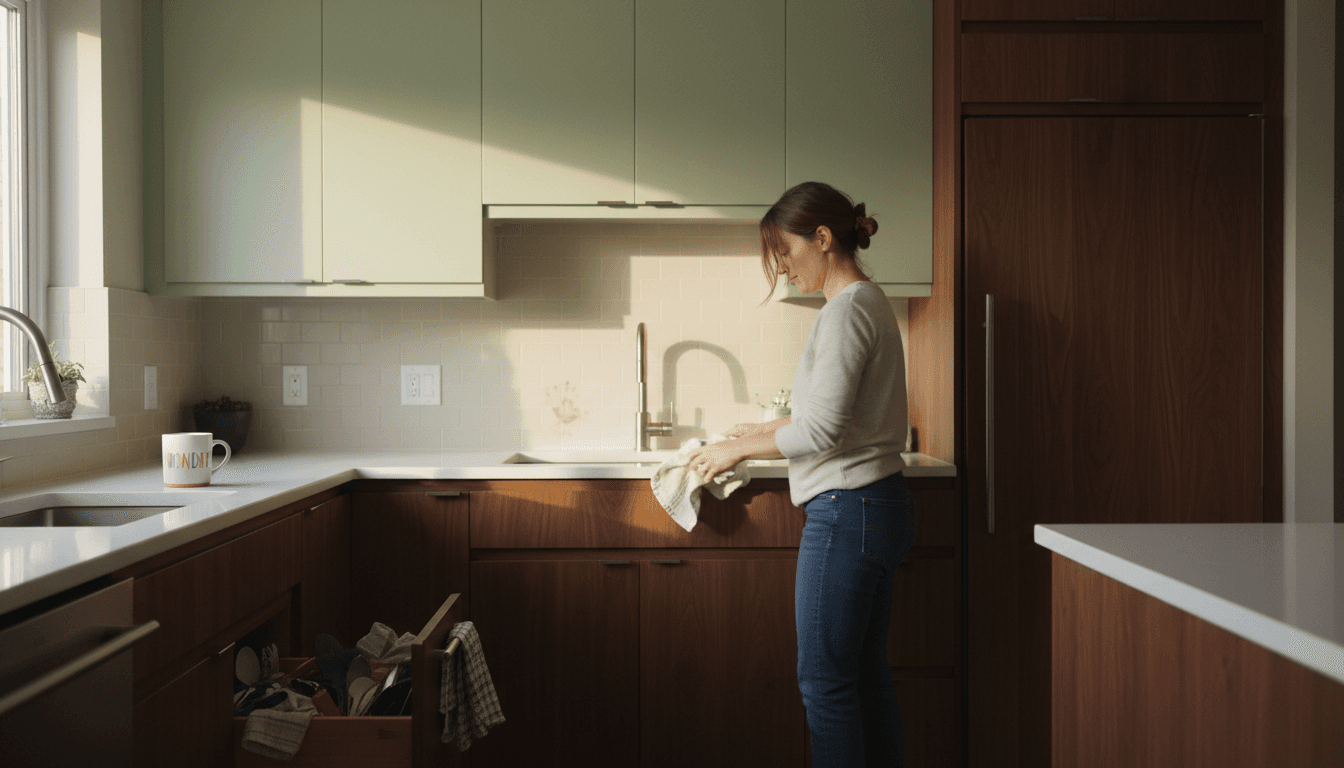
The move away from bright white reflects a broader preference for neutral colors like alabaster that create warm, timeless environments. Champagne and soft gray tones have overtaken clinical white in popularity, offering sophistication without starkness.
Color choices significantly influence both ambiance and perceived kitchen size. Lighter upper cabinets draw the eye upward, making ceilings feel higher. Darker base cabinets ground the space and hide wear in high-traffic areas near floors.
| Color Combination | Best For | Maintenance | Visual Effect |
|---|---|---|---|
| White + Sage Green | Traditional and transitional styles | Moderate | Calming, natural |
| Cream + Navy | Classic and coastal aesthetics | Low | Sophisticated, grounding |
| Alabaster + Warm Gray | Modern minimalist spaces | Low | Soft, contemporary |
| Champagne + Walnut | Warm, inviting kitchens | Moderate | Rich, elegant |
Consider these factors when selecting kitchen colors:
- Natural light exposure: South-facing kitchens handle darker colors better than north-facing spaces
- Existing finishes: Coordinate with flooring, countertops, and backsplash materials
- Room size: Lighter colors expand small kitchens while darker tones add coziness to large spaces
- Personal preference: Choose colors you’ll enjoy seeing daily, not just trendy options
Pro Tip: Paint small sample boards in your chosen colors and move them around your kitchen throughout the day. Observe how morning, afternoon, and evening light affects the hues before committing.
Explore festive color palette inspiration for seasonal accent ideas that complement your permanent cabinetry choices without requiring major changes.
Smart technology and seamless integration
Technology integration in 2026 kitchens focuses on enhancing functionality while maintaining sleek, uncluttered aesthetics. The goal is convenience without visible tech sprawl.
Smart kitchen appliances like motion-sensor faucets and voice-activated controls improve daily convenience dramatically. Touch-free faucets prevent cross-contamination when handling raw ingredients, while voice commands let you adjust lighting or set timers without stopping meal prep.
Panel-ready refrigerators and dishwashers create seamless visual flow by hiding behind cabinet fronts that match surrounding cabinetry. This approach maintains design continuity while housing powerful modern appliances. Integrated appliances appear in 40% of premium kitchen remodels, reflecting strong demand for this aesthetic.
Integrated charging hubs built into islands or counters keep devices powered without visible cords cluttering work surfaces. USB ports and wireless charging pads embedded in countertops or drawer fronts provide convenient access while maintaining clean sightlines.
Key smart technology features include:
- Motion-sensor faucets: Touchless operation improves hygiene and water efficiency
- Voice-controlled lighting: Adjust brightness and color temperature hands-free
- Panel-ready appliances: Hide refrigerators, dishwashers behind matching cabinet panels
- Integrated charging stations: Built-in USB ports and wireless pads in counters or drawers
These technologies combine form and function without creating visual clutter or compromising your design aesthetic. The best implementations feel invisible, working seamlessly in the background.
Pro Tip: When planning smart tech integration, ensure your kitchen has adequate electrical capacity and strong WiFi coverage. Many smart appliances require dedicated circuits and reliable internet connectivity.
Pair smart appliances with modern home accessories that complement rather than compete with your tech-forward kitchen design.
Storage innovations and functional zoning
Effective storage and thoughtful space zoning dramatically improve kitchen efficiency while maintaining the clean aesthetics that define 2026 design trends.
Discreet pantry doors blending into cabinetry keep kitchens visually uncluttered by hiding food storage behind seamless panels. These integrated pantries use the same finish and hardware as surrounding cabinets, creating uniform walls that don’t interrupt sightlines.
Custom drawer dividers with dedicated spaces for utensils, spices, and gadgets maximize storage efficiency. Deep drawers with adjustable organizers adapt to your specific needs better than fixed shelving. Integrated charging stations in drawers keep small appliances ready to use without occupying precious counter space.
Functional zoning separates kitchens into distinct areas for cooking, prep, cleaning, and eating. This organization improves workflow by keeping related items and activities clustered together. A designated prep zone near the sink, cooking zone around the range, and cleaning zone by the dishwasher reduces unnecessary movement.
Butler’s pantries and scullery spaces are experiencing renewed popularity as homeowners seek hidden areas for meal prep and appliance storage. These secondary spaces keep everyday cooking mess out of sight when entertaining, maintaining the main kitchen’s pristine appearance.
Essential storage innovations for 2026:
- Integrated pantry doors: Seamless panels hiding food storage
- Custom drawer dividers: Adjustable organizers maximizing space efficiency
- Pull-out shelving: Easy access to deep cabinet contents
- Hidden appliance garages: Countertop storage keeping small appliances concealed
| Storage Solution | Space Savings | Installation Cost | Best For |
|---|---|---|---|
| Integrated pantry | High | Medium to High | Medium and large kitchens |
| Custom drawer dividers | Medium | Low to Medium | All kitchen sizes |
| Pull-out shelving | Medium | Low | Deep base cabinets |
| Butler’s pantry | Very High | High | Homes with available adjacent space |
Pro Tip: Measure your most-used pots, pans, and appliances before designing custom storage. Ensuring proper fit prevents frustration and wasted space in your new organizational system.
Explore additional storage strategies in the modern furniture guide and coordinate with modern lighting solutions that highlight your organized spaces.
Comparing cabinet materials and styles
Selecting the right cabinet material involves balancing aesthetic preferences with practical considerations like durability, maintenance, and budget constraints.
Natural wood cabinetry offers warmth and inherent durability that aligns perfectly with 2026 design preferences. Oak, maple, and walnut provide distinct grain patterns and age beautifully with proper care. However, solid wood represents a significant investment compared to alternatives.
Painted cabinets offer color versatility, allowing you to match any palette or update your look more affordably than replacing entire units. The downside is higher maintenance, as painted surfaces chip more easily and require touch-ups over time. Quality matters significantly with painted finishes.
Engineered finishes like laminate or thermofoil provide budget-friendly options with consistent appearance and easy cleaning. These materials resist moisture and staining better than painted wood but lack the natural depth and authenticity that solid wood delivers. They work well for contemporary styles emphasizing uniformity.
Material comparison for kitchen cabinets:
- Natural wood: Timeless appeal, high durability, premium cost, requires periodic refinishing
- Painted cabinets: Color flexibility, moderate cost, shows wear, needs regular touch-ups
- Engineered finishes: Budget-friendly, consistent look, moisture-resistant, less authentic feel
- Combination approach: Wood on display areas, engineered in hidden zones balances cost and style
| Material Type | Durability | Maintenance | Cost Range | Style Match |
|---|---|---|---|---|
| Natural Wood | Excellent | Moderate | High | Warm minimalism, traditional |
| Painted | Good | High | Medium | Versatile, all styles |
| Engineered | Very Good | Low | Low to Medium | Contemporary, modern |
| Stained Wood | Excellent | Low | Medium to High | Traditional, transitional |
Your material choice should align with both your design vision and practical lifestyle needs. A busy family kitchen benefits from durable, low-maintenance options, while a showcase kitchen might justify the investment in premium natural wood.
Pro Tip: Request material samples showing normal wear patterns, not just pristine new finishes. Understanding how materials age helps you make informed long-term decisions.
Coordinate your cabinet selections with broader modern interior design principles to ensure cohesive home aesthetics.
Summary comparison and situational recommendations
Consolidating the major 2026 kitchen trends helps you make informed decisions based on your specific situation, priorities, and constraints.
| Trend | Key Benefit | Ideal For | Implementation Cost | Maintenance Level |
|---|---|---|---|---|
| Warm Minimalism | Timeless, inviting aesthetic | All homeowners seeking lasting design | Medium to High | Low to Moderate |
| Two-Tone Cabinetry | Visual depth and personality | Kitchens needing design interest | Medium | Varies by finish |
| Smart Technology | Enhanced convenience and efficiency | Tech-forward households | Medium to High | Low |
| Storage Innovations | Maximized space and organization | Small to medium kitchens | Low to High | Very Low |
| Natural Materials | Durability and authentic warmth | Quality-focused remodels | High | Moderate |
Tailored recommendations based on common scenarios:
- Small kitchens: Prioritize discreet pantry doors, custom drawer dividers, and lighter color palettes to maximize perceived space
- Timeless design goals: Invest in warm natural wood cabinetry with matte finishes and neutral colors that won’t date quickly
- Tech-forward homes: Integrate smart appliances, panel-ready designs, and charging hubs for seamless modern functionality
- Personality expression: Use two-tone cabinetry combinations and architectural details like fluted panels to add character
- Budget-conscious updates: Focus on storage innovations and painted cabinet refreshes before replacing entire kitchen elements
The most successful 2026 kitchens combine multiple trends thoughtfully rather than attempting every popular feature. Select two or three elements that align with your priorities and execute them well.
Consider how your kitchen choices integrate with your overall home decor strategy to maintain cohesive design throughout your living spaces.
Explore stylish kitchen decor and lighting at New Way Ref
Ready to bring these 2026 kitchen trends into your home? New Way Ref offers curated collections that embody the warm minimalism, smart design, and functional beauty discussed throughout this guide.
Browse the home decor collection for accessories that complement natural materials and warm neutral palettes. From decorative accents to functional organizers, you’ll find pieces that enhance both style and usability.
The lighting collection features fixtures in brass, bronze, and matte finishes that perfectly suit 2026 kitchen aesthetics. Proper lighting transforms your space, highlighting architectural details while providing essential task illumination.
Visit the New Way Ref store to explore complete product ranges designed for modern homeowners who value both form and function in their kitchen spaces.
Frequently asked questions
What are the top kitchen decor trends in 2026?
Two-tone cabinetry remains highly popular, offering warmth and visual depth through combinations like white with sage green or cream with navy. Natural materials including wood slab doors and matte finishes define the warm minimalist aesthetic dominating 2026. Smart appliances that integrate seamlessly into cabinetry enhance both style and function without creating visual clutter. Storage innovations like hidden pantry doors and custom drawer dividers optimize space while maintaining clean, uncluttered sightlines. These trends prioritize modern interior design principles that balance beauty with practical daily use.
How can I balance trendy and timeless elements in my kitchen decor?
Focus on warm minimalism and natural wood materials as your foundation, since these elements provide lasting appeal that transcends temporary fads. Incorporate trending technology and color accents through easily updatable elements like lighting fixtures, hardware, and decorative accessories. This approach lets you refresh your look without costly structural changes. Review the 2026 home decor guide for additional strategies on creating adaptable, enduring spaces.
What storage solutions are gaining traction in 2026 kitchens?
Hidden pantry doors that blend seamlessly with surrounding cabinetry create uniform walls while concealing food storage. Drawers featuring custom dividers and integrated charging ports maximize organization and functionality in compact spaces. Pull-out shelving in deep base cabinets improves access to items stored in back corners. Butler’s pantries or scullery spaces provide dedicated prep areas that keep everyday mess hidden from main kitchen views. These solutions align with broader modern furniture principles emphasizing both aesthetics and practical storage.
Are all-white kitchens outdated in 2026?
All-white kitchens aren’t completely outdated, but warmer neutral palettes like alabaster and champagne have overtaken stark white in popularity. These softer tones create more inviting spaces while maintaining the bright, open feel homeowners appreciate. Two-tone cabinetry adds significantly more warmth and visual depth than plain white designs, explaining its surge in adoption. You can explore current preferences through resources like kitchen design trends 2026 to see how color choices continue evolving.
Recommended
- Smart Home Decor: Blending Style With Technology – New Way Ref
- What is modern furniture? 2026 guide for stylish homes – New Way Ref
- Home Decor Guide 2026: Transform Your Urban Space Easily – New Way Ref
- Modern Home Lighting: Enhancing Style and Functionality – New Way Ref
- Transform Your Home: Expert Painting, Kitchen & Bathroom Renovations in Brussels, Waterloo & Tervuren