

Walking into a room, you can instantly sense if the lighting feels right or throws everything off. For homeowners in fast-paced cities, striking the perfect balance of comfort, mood, and efficiency with modern lighting often seems complex. With a strong grasp of lighting fundamentals, you gain the power to shape ambiance, highlight architectural details, and enhance energy efficiency, ensuring your home not only looks beautiful but also feels welcoming day and night.
Table of Contents
- Lighting Fundamentals In Home Design
- Types Of Lighting And Their Purposes
- Impact On Ambience, Mood, And Function
- Energy Efficiency And Lighting Technologies
- Common Mistakes To Avoid When Choosing Lighting
Key Takeaways
| Point | Details |
|---|---|
| Lighting Sets the Mood | The right combination of ambient, task, and accent lighting is essential for creating a welcoming atmosphere in your home. |
| Tailor Lighting to Room Functions | Match light quality and intensity to the specific needs of each room to enhance comfort and effectiveness in daily activities. |
| Choose Efficient Lighting Technologies | LED lighting is recommended for its energy efficiency and long lifespan, significantly reducing energy costs over time. |
| Plan Before You Buy | Assess each room’s lighting needs carefully to avoid common mistakes related to overlighting or poor fixture placement. |
Lighting Fundamentals in Home Design
When you walk into a room, lighting sets the mood before anything else. It’s what makes a space feel warm and welcoming or cold and industrial. Understanding the basics of how light works helps you design spaces that feel right.
Light behaves in specific ways when it hits surfaces, colors, and materials in your home. Understanding light’s behavior and properties gives you control over how your spaces actually feel to live in. The wavelengths, intensity, and color temperature of light all matter.
Three Core Elements of Effective Home Lighting
Every room needs the right combination of these lighting layers:
- Ambient lighting provides overall illumination and sets the foundation for the room
- Task lighting focuses brightness where you need it for specific activities like reading or cooking
- Accent lighting highlights architectural features or creates visual interest through spotlights and wall washers
Without all three, your space either feels flat or you struggle to see what you’re doing. Most homeowners skip one and then wonder why their room feels off.
Matching Light to Your Space’s Purpose
Your kitchen needs completely different lighting than your bedroom. Effective lighting design matches light quantity and quality to each room’s specific function and the activities happening there.
Consider what people actually do in each room:
- Kitchen and home office require bright, focused light for safety and accuracy
- Living room and dining areas benefit from adjustable, warmer light for relaxation
- Bathrooms need clear, shadow-free illumination for grooming tasks
- Bedrooms work best with dimmer, softer light to support sleep
Getting this wrong means you’re fighting your own lighting every single day.
Use this reference to match lighting to each room’s main needs:
| Room | Ideal Light Quality | Primary Focus |
|---|---|---|
| Kitchen | Bright, cool white | Food safety, accuracy |
| Living Room | Warm, dimmable | Relaxation, ambiance |
| Bathroom | Clear, shadow-free | Grooming, clarity |
| Bedroom | Soft, low intensity | Rest, sleep support |
| Home Office | Focused, cool tone | Productivity, alertness |
Comfort and Well-being Matter
Light doesn’t just help you see. It affects your mood, energy levels, and even your sleep quality. The wrong lighting can cause headaches and eye strain over time.
Your lighting choices influence whether you feel energized or exhausted in a space. Brightness matters, but so does how the light feels on your skin and whether it creates harsh shadows. This is why professional lighting designers focus on comfort as much as visibility.
Practical Starting Point
Start by assessing what you’re doing in each room and how much light you actually need. Brighter isn’t always better—it’s about matching intensity to purpose and creating the right atmosphere.
The goal isn’t maximum brightness; it’s the right light in the right place at the right time for what you’re doing.
Pro tip: Start with one room and layer your lighting gradually—begin with ambient light, then add task lighting where needed, and finish with accent pieces that enhance your room’s design aesthetic.
Types of Lighting and Their Purposes
Not all light serves the same function in your home. Different types of lighting work together to create spaces that look good and function well. Understanding each type helps you plan a lighting scheme that actually works.
The Three Main Lighting Categories
Ambient, task, and accent lighting form the foundation of any well-designed room. Each serves a distinct purpose, and you need all three for a balanced approach.
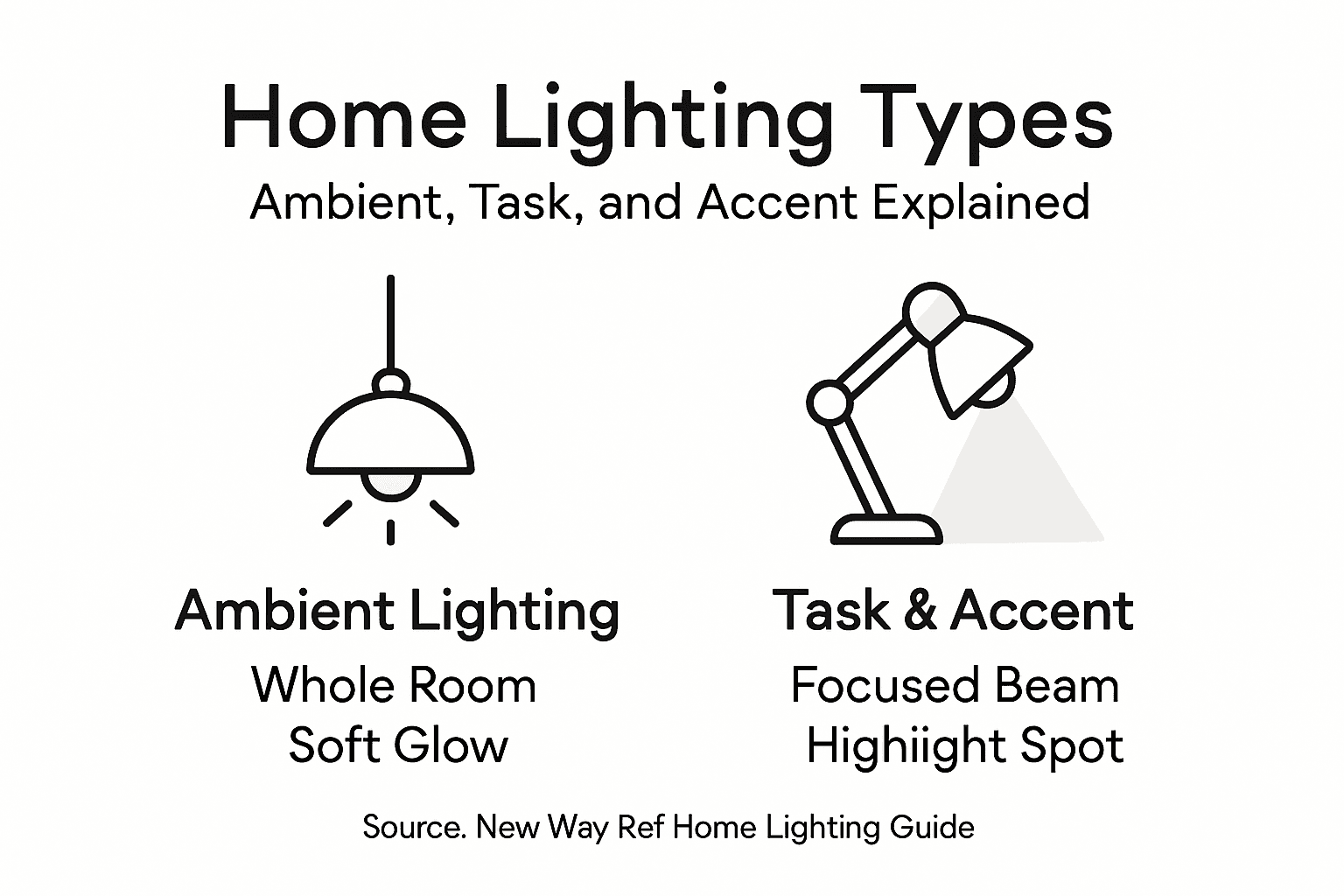
Ambient lighting provides overall illumination throughout your space. It’s the baseline that lets you see where you’re going without squinting. This is usually ceiling fixtures, wall sconces, or recessed lights that spread light evenly across the room.
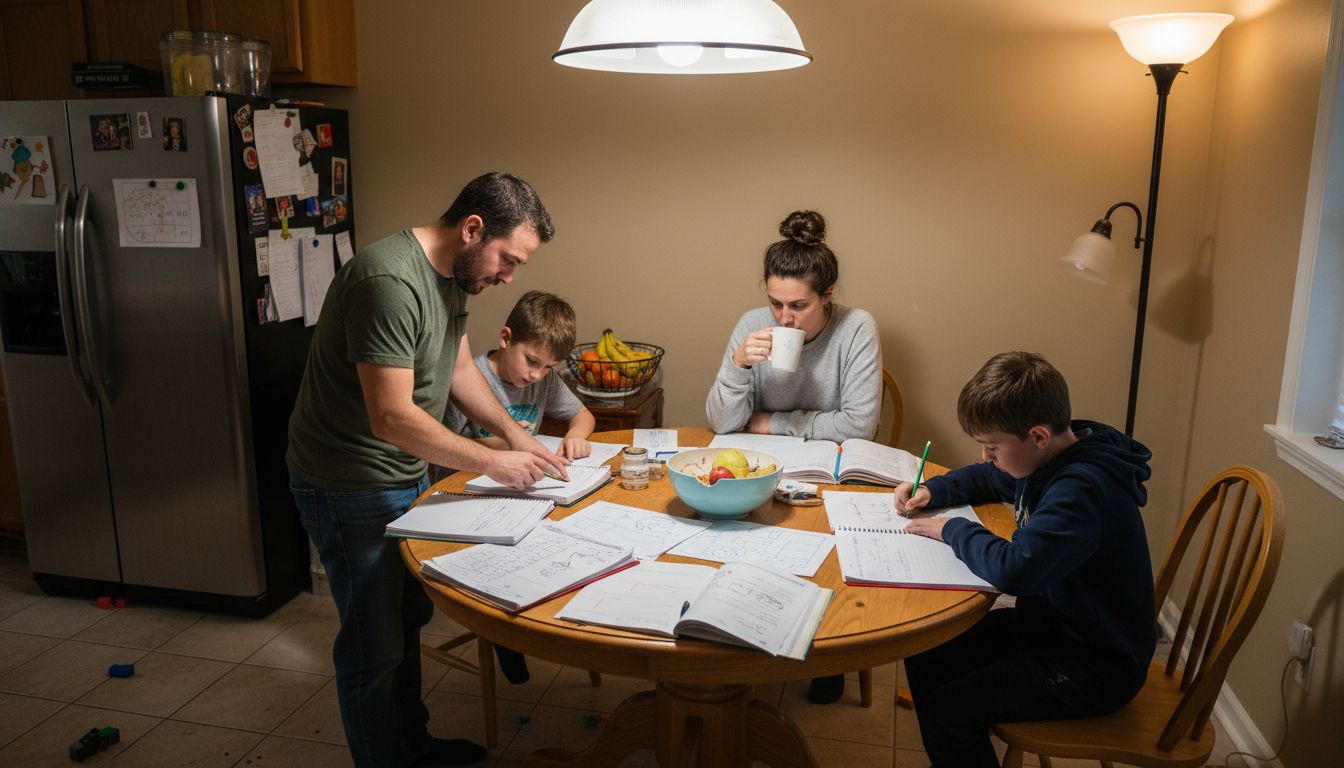
Task lighting focuses brightness exactly where you need it for specific activities. Your kitchen countertop needs task lighting for food prep. Your desk needs it for work or reading. This targeted light prevents eye strain and makes activities safer and easier.
Accent lighting highlights architectural details or decorative elements you want noticed. It creates visual interest and depth in a room. Picture lights above artwork, spotlights on shelving, or uplighting on textured walls all serve this purpose.
Natural vs. Artificial Light Sources
You have choices about where your light comes from. Natural daylight, artificial lamps, and hybrid systems each offer different benefits for your home.
- Natural light is free, energy-efficient, and supports healthy circadian rhythms
- Artificial light gives you control and works when daylight isn’t available
- Hybrid systems combine both to maximize efficiency and comfort throughout the day
Daylight should be your starting point whenever possible. It costs nothing to run and makes spaces feel more open and connected to the outside. Where natural light falls short, artificial lighting fills the gaps.
Light Source Technologies
The technology you choose affects both how your space looks and what you pay to light it.
- LED lights run cool, last 15+ years, and use 75% less energy than incandescent bulbs
- Fluorescent lights offer good efficiency but can feel harsh and unflattering
- Incandescent bulbs create warm, flattering light but waste energy as heat
Most homeowners are shifting to LEDs because they save money long-term and offer better color options.
The right lighting type for each space depends on its purpose, your energy budget, and the mood you want to create.
Pro tip: Install dimmer switches on ambient lighting fixtures to adjust brightness throughout the day—this gives you flexibility to shift between energizing morning light and relaxing evening ambience in the same room.
Impact on Ambience, Mood, and Function
Lighting does far more than let you see. It shapes how you feel, how productive you are, and even how well you sleep at night. The right lighting design influences your entire experience of a space.
Your brain responds to light in ways you might not realize. Lighting affects your circadian rhythms and psychological states, controlling everything from energy levels to mood. This goes beyond what your eyes see—it’s about how light influences your nervous system and well-being.
How Natural Light Transforms Your Space
Exposure to natural light positively influences mood, productivity, and overall well-being. Homes flooded with daylight feel larger, brighter, and more inviting than those relying solely on artificial sources.
The benefits of natural light are measurable and immediate:
- Reduces depression and seasonal mood disorders
- Improves sleep quality by regulating melatonin production
- Boosts productivity and mental clarity
- Creates a sense of connection to the outside world
- Reduces reliance on artificial lighting, lowering energy costs
People spend more time in rooms with good daylight exposure. They feel more energized and less stressed. This isn’t just comfort—it’s health.
Artificial Light and Emotional Response
When daylight isn’t available, artificial lighting sets the mood. Warm light (2700K-3000K) feels cozy and relaxing—perfect for living rooms and bedrooms. Cool light (4000K-5000K) feels energizing and focused—ideal for kitchens and home offices.
Brightness matters too. Dim light creates intimacy and calm. Bright light supports focus and alertness. A room that feels wrong often has the wrong color temperature or brightness level for its purpose.
The Functional Side of Good Lighting
Beyond mood, lighting directly affects how well you perform tasks. Poor lighting causes eye strain, headaches, and mistakes. Good task lighting makes cooking safer, reading easier, and work more accurate.
Your bathroom mirror needs shadowless light for grooming. Your home office needs focused brightness for screen work without glare. Your kitchen requires bright, clear light for food preparation and safety.
Lighting that makes you feel good also makes you function better—these aren’t separate goals.
Pro tip: Use warm, dimmable lights in bedrooms and living areas to support relaxation, and reserve brighter, cooler-toned lighting for kitchens, bathrooms, and work zones where you need alertness and accuracy.
Energy Efficiency and Lighting Technologies
Your lighting choices directly impact your energy bills and environmental footprint. The good news is that modern lighting technology makes it easier than ever to reduce consumption without sacrificing quality or comfort.
LED lighting has completely changed the game for residential homes. These bulbs use a fraction of the energy that older technologies require, and they last far longer too. Making the switch is one of the smartest investments you can make for your home.
Why LED Technology Dominates
LED lighting technology now leads global residential lighting sales due to its superior energy efficiency. This shift isn’t just about saving money—it’s about getting better light quality while using less power.
Compare the three main technologies:
Here’s a quick comparison of common lighting technologies for residential use:
| Technology | Energy Use | Lifespan | Light Quality |
|---|---|---|---|
| LED | Uses 75% less power | 25,000+ hours | Adjustable color and brightness |
| Incandescent | Wastes 90% as heat | 1,000 hours | Warm but inefficient |
| Fluorescent | Decent efficiency | 7,000-15,000 hours | Can flicker, often unflattering |
- LED bulbs use 75% less energy than incandescent, last 25,000+ hours, and cost less to operate long-term
- Incandescent bulbs waste 90% of their energy as heat and burn out every 1,000 hours
- Fluorescent lights offer decent efficiency but can flicker and create an unflattering glow
An LED bulb that costs more upfront pays for itself in under a year through energy savings alone.
Smart Controls and Design Strategies
Energy-efficient lighting design includes selecting ENERGY STAR® labeled fixtures and integrating controls like timers and occupancy sensors. These additions maximize your savings without requiring you to think about it.
Consider adding:
- Occupancy sensors that turn lights off when rooms are empty
- Dimmer switches that let you use only the light you need
- Timers for outdoor lighting and rarely-used spaces
- Daylight sensors that reduce artificial light when natural light is available
These controls reduce energy waste by 20-40% depending on how you use your spaces.
Maximizing Daylight First
The cheapest light is light you don’t have to produce. Position furniture to take advantage of windows. Clean windows regularly so more sunlight reaches your interior spaces. Use light-colored walls and ceilings to reflect daylight deeper into rooms.
When you rely on daylight during the day, you dramatically cut evening lighting needs.
Switching to LED technology combined with smart controls can cut your lighting energy use by 70% or more.
Pro tip: Start by replacing the bulbs you use most frequently—typically in your kitchen, bathroom, and bedside lamps—with ENERGY STAR® certified LEDs, which will deliver the quickest return on your investment.
Common Mistakes to Avoid When Choosing Lighting
Most people make lighting decisions without thinking them through. You pick a fixture because it looks nice, install it, and then realize the room feels wrong. Avoiding common pitfalls saves you money and frustration down the road.
The biggest mistake is treating lighting as an afterthought. You need to consider how you actually use each room before buying a single fixture. This planning step prevents almost all lighting problems.
Overlighting and Underestimating Task Needs
Overlighting spaces without considering task needs and choosing fixtures without matching light quality to activities are common design errors. Brighter isn’t always better—it just wastes energy and creates harsh, unflattering light.
Many homeowners install way too much ambient lighting and then wonder why their living room feels like a showroom. You need enough light to see comfortably, but not so much that it causes glare or eye strain.
The flip side is ignoring task-specific requirements. Your kitchen countertop needs focused, bright light for food prep safety. Your bedroom needs softer, dimmer light for relaxation. A one-size-fits-all approach fails both spaces.
Neglecting Lighting Controls and Surface Reflectance
Skipping dimmer switches and controls is a huge mistake. Without them, you’re stuck with whatever brightness the fixture provides. Poor planning that ignores surface reflectance and lacks proper lighting controls leads to glare, shadows, and wasted energy.
Light colors on walls and ceilings bounce light around and make spaces feel brighter. Dark colors absorb light and make rooms feel dim. Consider your existing colors before selecting fixture brightness.
Common Installation Errors
Watch out for these placement mistakes:
- Installing overhead lights directly above where you sit, creating harsh shadows on your face
- Placing task lighting behind where you work, casting shadows over your work surface
- Using only ceiling lights without any side lighting, making the room feel flat and uninviting
- Ignoring glare from light reflecting off screens, mirrors, or glossy surfaces
Light placement matters as much as brightness level.
Forgetting About Fixture Quality and Efficiency
Buying the cheapest fixture available often means poor light distribution and wasted energy. A quality fixture spreads light evenly and looks better longer. It’s worth investing a bit more upfront.
Choosing non-dimmable LED bulbs is another trap. You buy dimmable fixtures but forget to get dimmable bulbs, eliminating your ability to adjust mood and save energy.
The best lighting plan matches brightness and color to how you actually use each space, with controls that let you adjust as needs change.
Pro tip: Before buying any lighting fixture, spend time in the room at different times of day to understand natural light patterns, then determine what artificial light gaps remain—this prevents expensive mistakes and ensures your choices match real needs.
Transform Your Home Lighting for Ambience and Function
The article highlights how crucial proper lighting is for creating the right mood and supporting daily activities in every room. If you struggle with harsh shadows, eye strain, or rooms that feel cold or uninviting, the key lies in layering ambient, task, and accent lighting while matching light quality to your space’s purpose. Achieving this balance improves comfort, boosts productivity, and enhances your home’s overall atmosphere.
Brighten your home with thoughtfully designed fixtures from our Lighting collection.  Explore stylish and energy-efficient options that let you control brightness and color temperature. Complement your lighting choices by browsing elegant pieces in Home Decor and practical essentials in Home & Kitchen to create a cohesive, inviting environment.
Start upgrading your living spaces today at New Way Ref and benefit from free shipping on orders over $50. Find the perfect lighting solutions that match your lifestyle and elevate your home’s comfort now.
Frequently Asked Questions
What are the different types of lighting used in home design?
The three main types of lighting used in home design are ambient lighting, task lighting, and accent lighting. Ambient lighting provides overall illumination, task lighting focuses on specific activities, and accent lighting highlights architectural features or decorations.
How can I choose the right lighting for each room in my home?
To choose the right lighting, consider the function of each room. For example, bright and cool lighting works well in kitchens, while warm and dimmable lighting enhances relaxation in living rooms and bedrooms. Assess activities performed in each space to select appropriate lighting quality and intensity.
Why is natural light important in home design?
Natural light is essential as it improves mood, productivity, and overall well-being. It can reduce reliance on artificial lighting, lower energy costs, and create a more inviting, spacious feel in your home. Maximizing natural light should be a priority when designing your spaces.
What common mistakes should I avoid when planning my home lighting?
Common mistakes include overlighting spaces without considering functionality, neglecting to use lighting controls like dimmers, and poor fixture placement that can cause glare and shadows. It’s vital to assess each room’s needs and plan your lighting accordingly.