

Choosing the right lighting can transform a bland room into a welcoming retreat or a vibrant workspace. Modern homes demand more than just brightness; they need adaptable solutions that enhance style and comfort. Mastering lighting fundamentals helps homeowners and young professionals create spaces that feel inviting, boost well-being, and showcase architectural features. Discover how thoughtful illumination can solve common challenges and elevate contemporary decor to match your unique lifestyle.
Table of Contents
- Lighting Fundamentals In Home Decor
- Types Of Lighting Fixtures And Their Uses
- Key Lighting Strategies For Modern Homes
- How Lighting Shapes Mood And Ambiance
- Common Lighting Mistakes To Avoid
Key Takeaways
| Point | Details |
|---|---|
| Importance of Lighting | Lighting influences not just visibility but also mood and interaction within a space. Choose lighting based on room function for optimal results. |
| Layered Lighting Design | Combine ambient, task, and accent lighting for a balanced environment that accommodates various activities. This creates depth and visual interest. |
| Color Temperature Consideration | Select appropriate color temperatures to evoke desired emotions; warmer tones for relaxation and cooler tones for focus and energy. |
| Avoid Common Mistakes | Steer clear of over or under-lighting, improper color temperatures, and neglecting task lighting to maintain comfort and effectiveness in design. |
Lighting Fundamentals in Home Decor
Lighting represents more than just functional illumination - it’s a critical design element that transforms living spaces. Understanding core lighting principles helps homeowners create environments that are both visually stunning and emotionally comfortable. Proper lighting design goes beyond simply brightening a room; it sets mood, highlights architectural features, and influences how we perceive and interact with our surroundings.
The science behind effective home lighting involves several key considerations. Lighting fundamentals cover complex visual perception principles that impact human comfort and aesthetic experience. Three primary factors determine exceptional lighting design:
- Color Temperature: Ranges from warm (2700-3000K) to cool (5000-6500K) tones
- Lumens: Measure of total light output and brightness
- Color Rendering Index (CRI): Indicates how accurately colors appear under specific light
Warm lighting typically creates intimate, relaxing environments, while cooler tones promote alertness and concentration. Scientific lighting principles suggest selecting color temperatures that complement each room’s function. For instance, kitchens and home offices benefit from cooler, more energetic lighting, whereas bedrooms and living rooms feel more inviting with warmer, softer illumination.
Designers recommend layering different light sources to achieve balanced, dynamic spaces. This approach typically involves three primary lighting types:
- Ambient lighting: General, overall room illumination
- Task lighting: Focused light for specific activities
- Accent lighting: Decorative elements that highlight architectural features
By strategically combining these lighting layers, homeowners can create flexible, visually interesting environments that adapt to various activities and moods.
Pro tip: When selecting light fixtures, consider both aesthetic appeal and functional performance to create harmonious, adaptable living spaces.
Types of Lighting Fixtures and Their Uses
Lighting fixtures are the artistic and functional tools that transform spaces, offering far more than simple illumination. Residential lighting design encompasses multiple fixture types that serve distinct purposes in creating comfortable, dynamic environments. Understanding these different fixture categories allows homeowners to craft purposeful, visually compelling spaces that adapt to various activities and moods.
The primary categories of lighting fixtures include:
Here’s a comparison of lighting fixture types and their ideal uses in different home spaces:
| Fixture Type | Best Placement | Design Impact |
|---|---|---|
| Ceiling-Mounted | Living room, hallway | Provides uniform room-wide illumination |
| Recessed Lighting | Kitchen, bathroom | Delivers clean, unobtrusive appearance |
| Pendant Lights | Kitchen island, dining | Offers focused, decorative lighting |
| Wall Sconces | Bedroom, hallway | Adds subtle, layered accent lighting |
| Table & Floor Lamps | Living room, bedroom | Enables flexible, task-targeted light |
- Ceiling-Mounted Fixtures: Provide overall room illumination
- Recessed Lighting: Create clean, minimalist lighting solutions
- Pendant Lights: Offer decorative and focused lighting options
- Wall Sconces: Add ambient and directional lighting
- Table and Floor Lamps: Deliver portable, flexible illumination
Modern lighting controls enhance fixture functionality by allowing precise adjustments to brightness and ambiance. Sophisticated homeowners increasingly integrate smart technologies that enable remote management of lighting environments. Occupancy sensors, dimmers, and photosensors can automatically adjust lighting based on time of day, room occupancy, and natural light levels.
Understanding the strategic placement of different fixture types is crucial for creating layered, dynamic lighting schemes. Ambient lighting provides general illumination, task lighting focuses on specific work areas, and accent lighting highlights architectural features or decorative elements. By combining these approaches, homeowners can create versatile spaces that feel both functional and aesthetically pleasing.
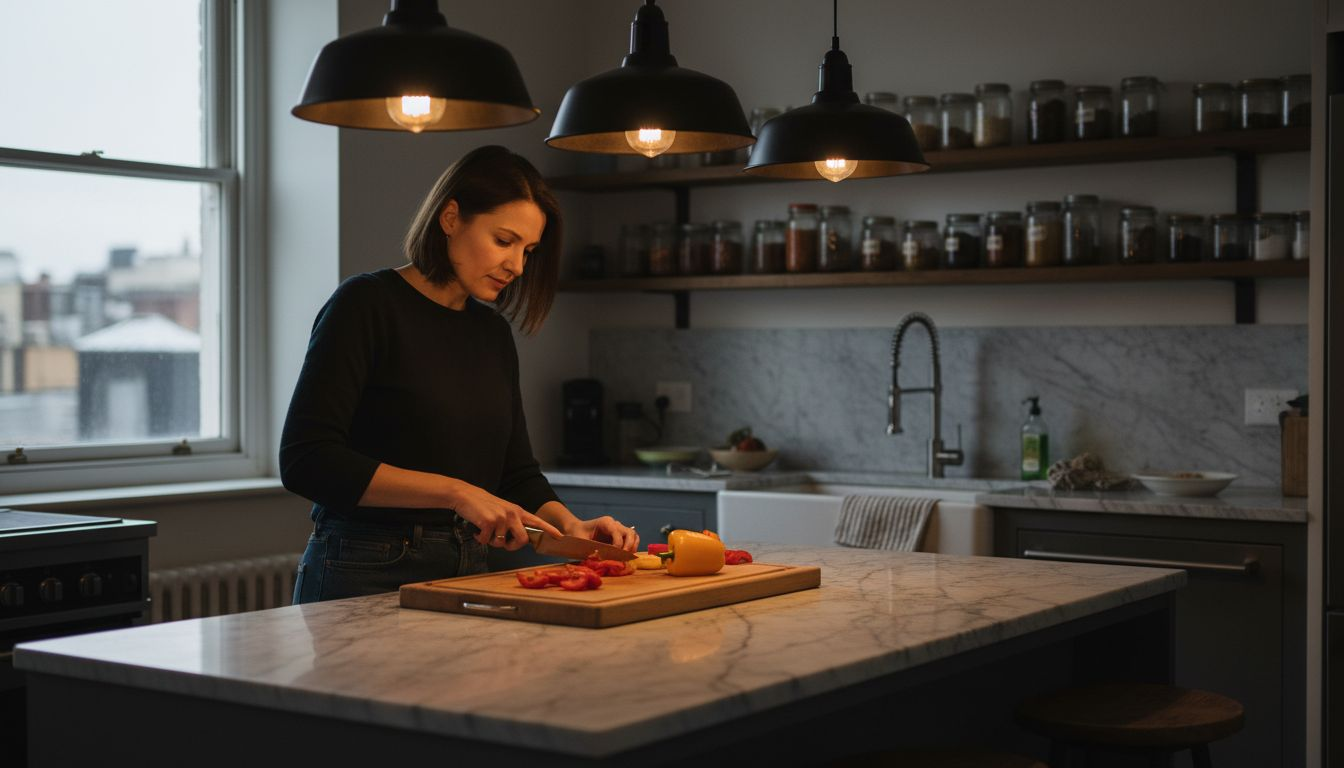
Each room requires a unique lighting approach based on its specific function and design aesthetic. Kitchens benefit from bright, even illumination with under-cabinet lights and pendant fixtures, while bedrooms demand softer, more intimate lighting solutions. Living rooms often incorporate multiple fixture types to create flexible, adaptable environments that can transition from relaxed evening gatherings to focused work sessions.
Pro tip: Layer different lighting types and use dimmable fixtures to create adaptable, personalized lighting environments that suit multiple activities and moods.
Key Lighting Strategies for Modern Homes
Modern home lighting demands a strategic approach that balances aesthetics, functionality, and energy efficiency. Comprehensive lighting design focuses on maximizing performance through intelligent fixture selection and placement, transforming living spaces into dynamic, adaptable environments.
Key strategies for contemporary home lighting include:
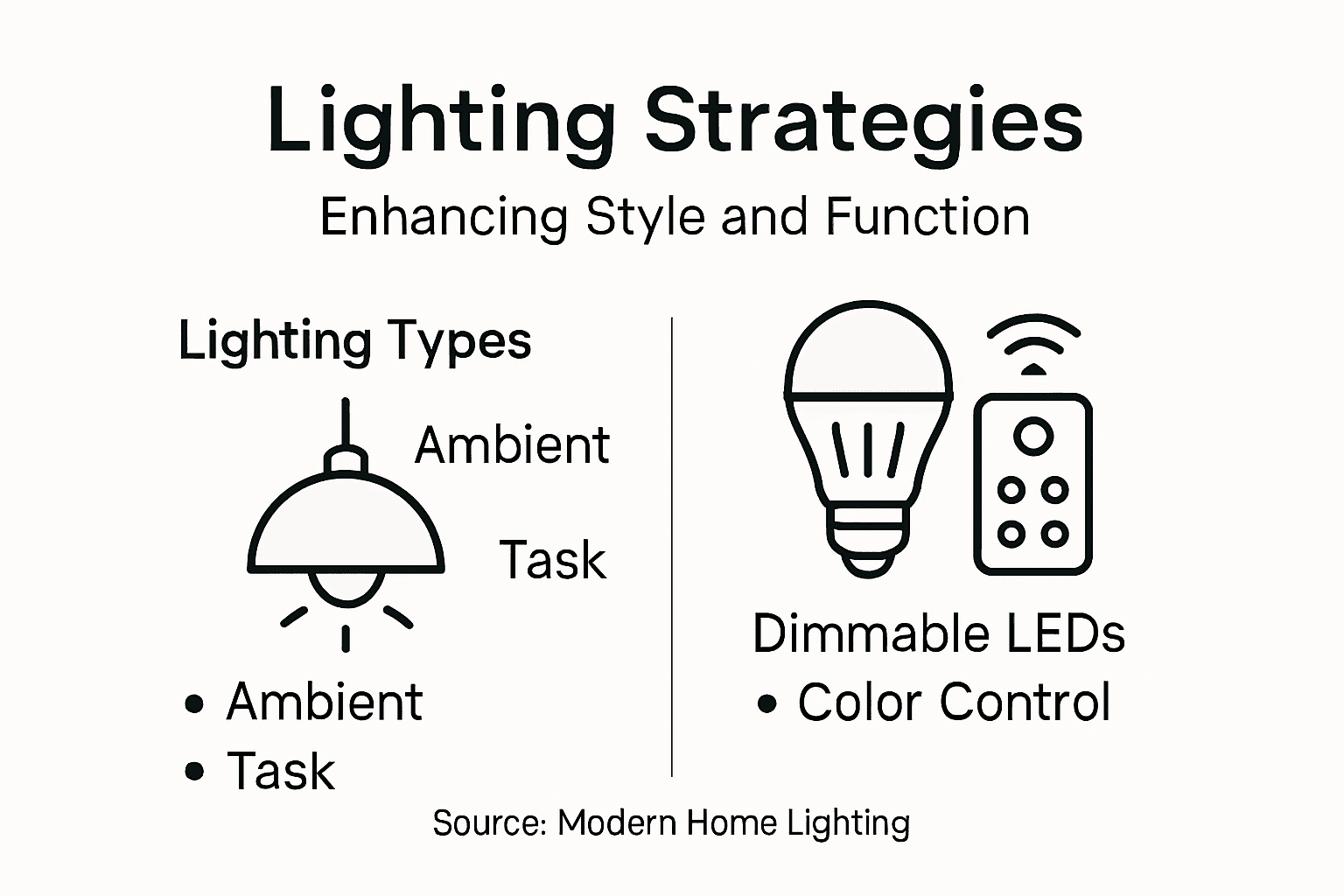
- Layered Lighting Approach: Combining ambient, task, and accent lighting
- Energy-Efficient Fixtures: Selecting ENERGY STAR certified options
- Smart Control Integration: Using dimmers, sensors, and automated systems
- Natural Light Optimization: Maximizing daylight and complementary artificial lighting
- Color Temperature Management: Adapting lighting to room function and time of day
Residential lighting design requires strategic placement and control mechanisms that enhance both visual comfort and energy efficiency. Modern homeowners are increasingly adopting sophisticated lighting technologies that allow precise management of illumination levels. Smart switches, occupancy sensors, and programmable systems enable dynamic lighting environments that adapt to changing activities and moods.
The most effective lighting strategies consider each room’s unique requirements. Living areas benefit from versatile lighting that can transition between soft, intimate settings and bright, functional spaces. Kitchens demand task-specific illumination that supports cooking and food preparation, while bedrooms require softer, more relaxing lighting solutions that promote rest and relaxation.
Integrating natural and artificial light creates a holistic approach to home illumination. Large windows, strategically placed mirrors, and carefully selected light fixtures can work together to maximize both natural and artificial light, creating spaces that feel larger, more open, and more inviting. By understanding the interplay between different light sources, homeowners can design environments that are both visually stunning and supremely functional.
Pro tip: Invest in dimmable LED fixtures with adjustable color temperatures to create flexible lighting solutions that can transform your home’s atmosphere with a single touch.
How Lighting Shapes Mood and Ambiance
Lighting is a powerful psychological tool that transforms living spaces far beyond mere illumination. Lighting fundamentals reveal profound emotional impacts on human perception and psychological well-being, demonstrating how strategic illumination can dramatically alter our sensory experience and emotional state.
The emotional dimensions of lighting are characterized by several key attributes:
- Color Temperature: Influences psychological and physiological responses
- Light Intensity: Determines energy levels and emotional perception
- Directional Quality: Creates depth and spatial emotional experiences
- Lighting Rhythm: Establishes daily emotional and biological patterns
- Visual Comfort: Promotes relaxation and psychological well-being
Lighting design strategies dramatically shape room ambiance through careful manipulation of color, brightness, and placement. Warm lighting around 2700-3000K creates intimate, relaxing environments that encourage conversation and rest, while cooler temperatures around 4000-5000K promote alertness and concentration. This precise control allows homeowners to craft environments that seamlessly adapt to different activities and emotional needs.
Understanding circadian rhythms provides deeper insights into lighting’s psychological impact. Natural light cycles influence our biological processes, and artificial lighting can either support or disrupt these fundamental rhythms. Intelligent lighting design mimics natural light progression, helping regulate sleep patterns, mood stability, and overall mental health. By incorporating dynamic lighting solutions that change throughout the day, homeowners can create spaces that actively support their well-being.
Different rooms require nuanced lighting approaches to maximize emotional comfort. Bedrooms benefit from soft, warm lighting that promotes relaxation, while home offices demand brighter, more neutral tones that enhance focus and productivity. Living areas require versatile lighting solutions that can transition between energetic social gatherings and peaceful evening relaxation, demonstrating lighting’s remarkable ability to shape emotional landscapes.
This table summarizes how lighting characteristics influence mood and functionality:
| Lighting Characteristic | Mood Effect | Recommended Room Types |
|---|---|---|
| Warm color temperature | Promotes relaxation, intimacy | Bedrooms, living rooms |
| Cool color temperature | Enhances alertness, focus | Kitchens, offices |
| Adjustable intensity | Enables mood flexibility | Living rooms, dining areas |
| Directional quality | Creates depth and highlights | Hallways, feature walls |
Pro tip: Invest in smart LED systems with adjustable color temperatures to create dynamic lighting environments that naturally support your body’s biological rhythms and emotional needs.
Common Lighting Mistakes to Avoid
Navigating home lighting design requires careful consideration to avoid common pitfalls that can compromise both aesthetic appeal and functional effectiveness. Lighting design principles reveal critical errors homeowners frequently make when approaching interior illumination, which can significantly impact a space’s overall ambiance and usability.
The most prevalent lighting mistakes include:
- Over-Lighting: Creating harsh, uncomfortable environments
- Under-Lighting: Failing to provide sufficient illumination for activities
- Ignoring Color Temperature: Using inconsistent or inappropriate light tones
- Neglecting Task Lighting: Overlooking focused illumination needs
- Poor Fixture Placement: Creating glare or uneven light distribution
Electric lighting controls offer solutions to common design challenges, helping homeowners avoid fundamental errors in their lighting approach. Many people mistakenly choose fixtures based solely on aesthetic appeal, neglecting critical functional considerations. Effective lighting design requires a strategic approach that balances visual appeal with practical illumination needs, considering factors like room function, natural light sources, and specific activity requirements.
Color temperature represents a particularly nuanced aspect of lighting design that many homeowners misunderstand. Warm lighting (2700-3000K) creates intimate spaces, while cool lighting (4000-5000K) promotes alertness. Mixing these temperatures without intention can create disjointed and uncomfortable environments. Additionally, relying on a single light source instead of layering different types of lighting often results in flat, uninspiring spaces that lack depth and visual interest.
Technological advancements provide sophisticated solutions to traditional lighting challenges. Smart lighting systems allow precise control over intensity, color, and distribution, enabling homeowners to create dynamic environments that adapt to changing needs. However, technology alone cannot compensate for fundamental design mistakes. Careful planning, understanding of lighting principles, and thoughtful fixture selection remain crucial to creating truly exceptional lighting designs.
Pro tip: Invest in adjustable LED fixtures with multiple color temperature options to create flexible lighting environments that can easily adapt to different activities and moods.
Elevate Your Home Decor with Smart Lighting Solutions
Struggling to find the perfect balance between style and function in your home lighting The article highlights common challenges like choosing the right color temperature layering ambient and task lighting and avoiding harsh or underwhelming illumination. You want a lighting setup that not only complements your décor but also enhances mood and usability throughout your living spaces. Key terms like color rendering index, adjustable intensity, and layered lighting show how intricate home lighting can be.
Explore our curated Lighting collection designed to provide versatile solutions that blend seamlessly with your personal style.

Discover a range of modern fixtures and smart lighting options at New Way Ref to create adaptable, inviting spaces that support your lifestyle. Combine our lighting with stylish pieces from Home Decor and essential finds in Home & Kitchen to complete your dream home. Shop now for free shipping on orders over $50 and transform your home lighting into a statement of comfort and elegance.
Frequently Asked Questions
How does color temperature affect home lighting?
Color temperature, measured in Kelvin (K), influences the mood and functionality of a space. Warm color temperatures (2700-3000K) create cozy and inviting atmospheres, ideal for living rooms and bedrooms, while cooler temperatures (4000-5000K) enhance alertness and focus, making them suitable for kitchens and home offices.
What are the different types of lighting fixtures for home decor?
The primary types of lighting fixtures include ceiling-mounted fixtures for general illumination, recessed lighting for a clean look, pendant lights for focused and decorative lighting, wall sconces for ambient and directional light, and table and floor lamps for flexible, task-oriented illumination.
Why is layering different types of lighting important?
Layering different types of lighting—ambient, task, and accent—creates balanced, dynamic spaces that are visually interesting and functional. This approach allows homeowners to adapt the lighting to various activities and moods, enhancing overall comfort and style.
What common mistakes should I avoid in home lighting design?
Common mistakes include over-lighting or under-lighting a space, ignoring the importance of color temperature, neglecting task lighting, and poorly placing fixtures, which can lead to glare or uneven light distribution. Planning and understanding lighting principles are essential for effective design.
Recommended
- Smart Home Decor: Blending Style With Technology – New Way Ref
- Modern Home Accessories Guide for Stylish Urban Spaces – New Way Ref
- Why Upgrade Living Room – Transform Your Everyday Life – New Way Ref
- 7 Essential Steps for a Smart Home Decor Checklist – New Way Ref
- Why Custom Window Treatments Matter for Homes – Shop Designer Fabrics by the Yard | Curtains & Drapery
- Your Home’s Outdoor Lighting Improves Security | 247 CCTV