

Redecorating your home can feel overwhelming when you want style, comfort, and functionality all at once. Most people face decisions about colors, furniture, and layout without knowing where to start or how to get the best results for their budget. The right steps can help you avoid costly mistakes and create a space you love coming home to.
This list will guide you through proven ways to plan, design, and bring your vision to life. You’ll discover how to build a budget that actually works, choose color schemes that make every room welcoming, and pick furniture for comfort and lasting quality. Get ready for practical advice you can use right away to turn your home into a space that truly fits your needs and personality.
Table of Contents
- 1. Assess Your Space And Set A Decor Budget
- 2. Choose A Cohesive Color Scheme For Each Room
- 3. Select Key Furniture Pieces For Comfort And Style
- 4. Incorporate Functional Storage Solutions
- 5. Enhance Ambiance With Strategic Lighting Choices
- 6. Add Personal Touches With Accessories And Art
- 7. Optimize Room Layout For Flow And Functionality
Quick Summary
| Takeaway | Explanation |
|---|---|
| 1. Assess your space accurately | Measure room dimensions and note features to avoid costly mistakes in decor choices. |
| 2. Establish a realistic decor budget | Calculate your disposable income and allocate funds wisely to prioritize essential design elements. |
| 3. Create a cohesive color scheme | Use complementary and neutral colors to enhance the mood and flow of each room effectively. |
| 4. Select comfortable, multifunctional furniture | Choose furniture that balances aesthetics and functionality, ensuring it fits your space and comfort needs. |
| 5. Implement smart storage solutions | Utilize vertical space and multifunctional furniture to maintain organization and maximize efficiency in your home. |
1. Assess Your Space and Set a Decor Budget
Decor planning begins with understanding your living space and establishing a realistic financial framework. Before diving into design choices, you need a clear picture of your home’s dimensions, style potential, and spending capacity.
Starting your home decor journey requires a systematic approach to budgeting. Most homeowners struggle with overspending on decor, which is why creating a comprehensive budget is crucial. Your budget will help you:
- Track total available funds for decor projects
- Prevent impulse purchases
- Prioritize essential design elements
- Allocate resources strategically
To assess your space effectively, measure each room carefully and sketch a basic floor plan. Note the dimensions, natural light sources, existing furniture, and architectural features. This preliminary step prevents costly mistakes and ensures your decor choices complement your home’s unique characteristics.
Knowing your space’s limitations and potential is the foundation of smart home design.
When establishing your budget, follow these key steps:
- Calculate your total disposable income
- Subtract essential living expenses
- Determine a realistic decor spending range
- Break down budget by room or project
Don’t feel pressured to transform everything at once. Smart decorating means making intentional choices that gradually enhance your living environment.
Pro tip: Allocate 10-15% of your total budget as a flexible contingency fund for unexpected design opportunities or minor adjustments.
2. Choose a Cohesive Color Scheme for Each Room
Creating a harmonious color palette is more than just picking pretty colors it is about crafting a visual narrative that transforms your living spaces. Understanding color relationships can turn your home into a seamless and inviting environment.
The secret to a stunning color scheme lies in mastering complementary color principles. Color theory provides a strategic approach to selecting colors that work together naturally and create visual balance.
When developing your room color schemes consider these key strategies:
- Select a primary color as your anchor
- Choose 2-3 complementary colors
- Use neutral tones to create breathing space
- Vary color saturation and brightness
The right color scheme can dramatically transform a room’s mood and perception.
To implement an effective color strategy, follow these steps:
- Identify the room’s primary function
- Determine the emotional atmosphere you want to create
- Select a dominant color
- Add accent colors that complement the main tone
- Test color samples in different lighting conditions
For instance, analogous color schemes work brilliantly in spaces where you want a calm and unified feel. These schemes use colors adjacent on the color wheel to create a harmonious and sophisticated look.
Pro tip: Purchase small paint samples and create large swatches on your walls to observe how colors interact with your room’s natural light throughout the day.
3. Select Key Furniture Pieces for Comfort and Style
Finding the perfect furniture is about striking a delicate balance between aesthetic appeal and functional comfort. Your furniture choices are not just decorative elements but critical components that define your living space’s personality and usability.
When selecting furniture, understanding parametric design principles can transform your approach to creating a comfortable home environment. This method ensures that each piece not only looks great but also adapts seamlessly to your specific spatial needs.
Key considerations for selecting furniture include:
- Overall room functionality
- Personal comfort requirements
- Spatial dimensions
- Material durability
- Aesthetic compatibility
Furniture is the foundation of home comfort. Choose wisely and intentionally.
To make smart furniture selections, follow these strategic steps:
- Measure your space precisely
- Identify primary room functions
- Evaluate ergonomic design features
- Test furniture for comfort
- Consider multi-functional pieces
Quality furniture requires careful evaluation. Consumer quality assessments recommend checking construction details like hardwood frames, joint integrity, and fabric resilience.
Multi-purpose furniture pieces like a storage ottoman can maximize both style and functionality in smaller spaces.
Pro tip: Always sit and test furniture in person to truly understand its comfort level and how it will integrate with your existing decor.
4. Incorporate Functional Storage Solutions
Smart storage is the secret weapon of beautifully organized homes. Your living space transforms when every item has a purposeful home that balances aesthetics with practical utility.
Understanding functional home design principles reveals that storage is not just about hiding clutter but creating intuitive systems that support your lifestyle. Effective storage solutions integrate seamlessly into your decor while maximizing spatial efficiency.
Key storage strategies include:
- Vertical space utilization
- Multi-functional furniture
- Modular storage systems
- Hidden organizational solutions
- Zone-specific storage approaches
Thoughtful storage turns chaos into calm. Design with intention.
To implement smart storage solutions:
- Assess current space limitations
- Identify items requiring organization
- Select storage pieces matching decor style
- Prioritize accessibility
- Use vertical and hidden spaces strategically
Home accessories like storage containers and shelving play a critical role in maintaining an organized environment. Look for pieces that complement your existing furniture while providing maximum functionality.
Consider multifunctional furniture that offers concealed storage such as ottomans with interior compartments or linen fabric storage benches that blend seamlessly into your living space.
Pro tip: Invest in storage solutions with adjustable configurations that can evolve with your changing lifestyle and spatial needs.
5. Enhance Ambiance with Strategic Lighting Choices
Lighting transforms spaces from ordinary to extraordinary creating emotional landscapes within your home. The right illumination can dramatically shift a room’s mood and functionality.
Energy-efficient lighting design offers more than just visual appeal it fundamentally enhances your living environment. Understanding how light impacts human perception becomes crucial in creating inviting and comfortable spaces.
Key lighting strategy principles include:
- Layer different light sources
- Use adjustable lighting controls
- Match light temperature to room function
- Incorporate natural light elements
- Consider human-centric lighting approaches
Strategic lighting is the silent architect of atmosphere.
Implement lighting design through these steps:
- Evaluate room’s primary functions
- Identify key focal points
- Select varied light sources
- Install dimmer switches
- Experiment with light temperatures
Modern lighting considers more than aesthetics. Human-centric lighting research demonstrates how light influences circadian rhythms and overall well-being.
Consider unique lighting options like wooden mushroom lamps that provide both functional and decorative illumination.
Pro tip: Create lighting zones with smart bulbs and controllers to instantly transform your space’s mood and energy.
6. Add Personal Touches with Accessories and Art
Your home is more than a living space it is a canvas that tells your unique story. Accessories and art transform empty rooms into vibrant personal narratives that reflect your journey and personality.
Engaging with art provides profound emotional and psychological benefits beyond mere decoration. Art serves as a powerful medium for expressing individual identity and creating meaningful living environments.
Strategies for curating personal accessories include:
- Mix textures and materials
- Balance sentimental and aesthetic pieces
- Create visual storytelling through collections
- Incorporate items with personal history
- Rotate accessories seasonally
Personal touches transform houses into homes.
Implement your accessory strategy through these steps:
- Select pieces that spark joy
- Create intentional visual clusters
- Mix scale and proportion thoughtfully
- Balance negative and positive space
- Tell your personal narrative
Accessories can range from family photographs to travel souvenirs global artworks to handcrafted objects. Each piece contributes to your home’s unique emotional landscape.
Consider displaying meaningful items like vintage books or unique storage benches that combine functionality with personal storytelling.
Pro tip: Curate accessories like a museum curator focusing on emotional resonance and visual harmony rather than filling every empty space.
7. Optimize Room Layout for Flow and Functionality
A well-designed room feels effortless yet intentional like an invisible choreography guiding movement and experience. Your room’s layout is the foundation that determines how comfortably and efficiently you live in your space.
Space planning principles transform rooms from mere containers into dynamic environments that support your lifestyle. Understanding how to arrange furniture and define zones can dramatically enhance your living experience.
Key layout optimization strategies include:
- Create clear pathways
- Define functional zones
- Balance negative and positive space
- Consider traffic flow patterns
- Align furniture with room architecture
Thoughtful layout design transforms spaces from static to dynamic.
Implement strategic room layout through these steps:
- Measure room dimensions precisely
- Identify primary room functions
- Sketch potential furniture arrangements
- Test movement paths
- Adjust for comfort and accessibility
Furniture placement requires understanding facility layout methodologies that prioritize workflow and spatial relationships. Multipurpose furniture like a storage bench can help optimize space efficiency.
Pro tip: Use painter’s tape to mock up furniture placement on the floor before moving heavy pieces to visualize and refine your layout.
Below is a comprehensive table summarizing the main strategies for home decor planning and design discussed throughout the article.
| Step | Details | Benefits |
|---|---|---|
| Assess Your Space | Measure rooms, note features, create a floor plan, and note natural light and existing furnishings. | Understand spatial limitations and potential. |
| Create a Budget | Determine total disposable income after expenses, set a decor spending cap, allocate funds per room, and add a contingency for unforeseen needs. | Prevent overspending, and support financial organization during design projects. |
| Choose a Color Scheme | Select primary and complementary colors; use neutrals to balance; ensure proper light interaction. | Craft harmonious, inviting spaces tailored to desired atmospheres. |
| Select Furniture | Balance aesthetics and functionality; prioritize comfort, durability, and space-fit. | Design a personal, comfortable living area with enduring quality. |
| Implement Storage Solutions | Use vertical and concealed storage; choose pieces complementing decor and maximizing space utility. | Achieve an organized and efficient living space. |
| Enhance Lighting | Combine natural and artificial lighting, apply adjustable controls, and select light tones based on room purpose. | Revitalize ambiance and functionality, improving mood and visual appeal. |
| Add Personal Accessories | Integrate meaningful decorations and artworks, balance textures and story-rich elements, and periodically refresh arrangements. | Reflect personal identity and create a unique living environment. |
| Optimize Room Layout | Define focal zones, measure dimensions, sketch layouts, and prioritize comfort and traffic flow. | Establish a harmonious and practical living arrangement tailored to daily needs and aesthetic preferences. |
Elevate Your Home Decor Journey with Smart Choices and Stylish Solutions
Transforming your living space starts with smart decor planning and intentional furniture choices. If you have explored the essential steps like assessing your space, selecting cohesive color schemes, and optimizing lighting you understand how challenging it can be to find pieces that balance style and function. Your goal is to create a comfortable home that truly reflects your personality while staying within budget and maximizing every inch of space.
Discover the perfect blend of modern design and practical furnishings at Home decor – New Way Ref.
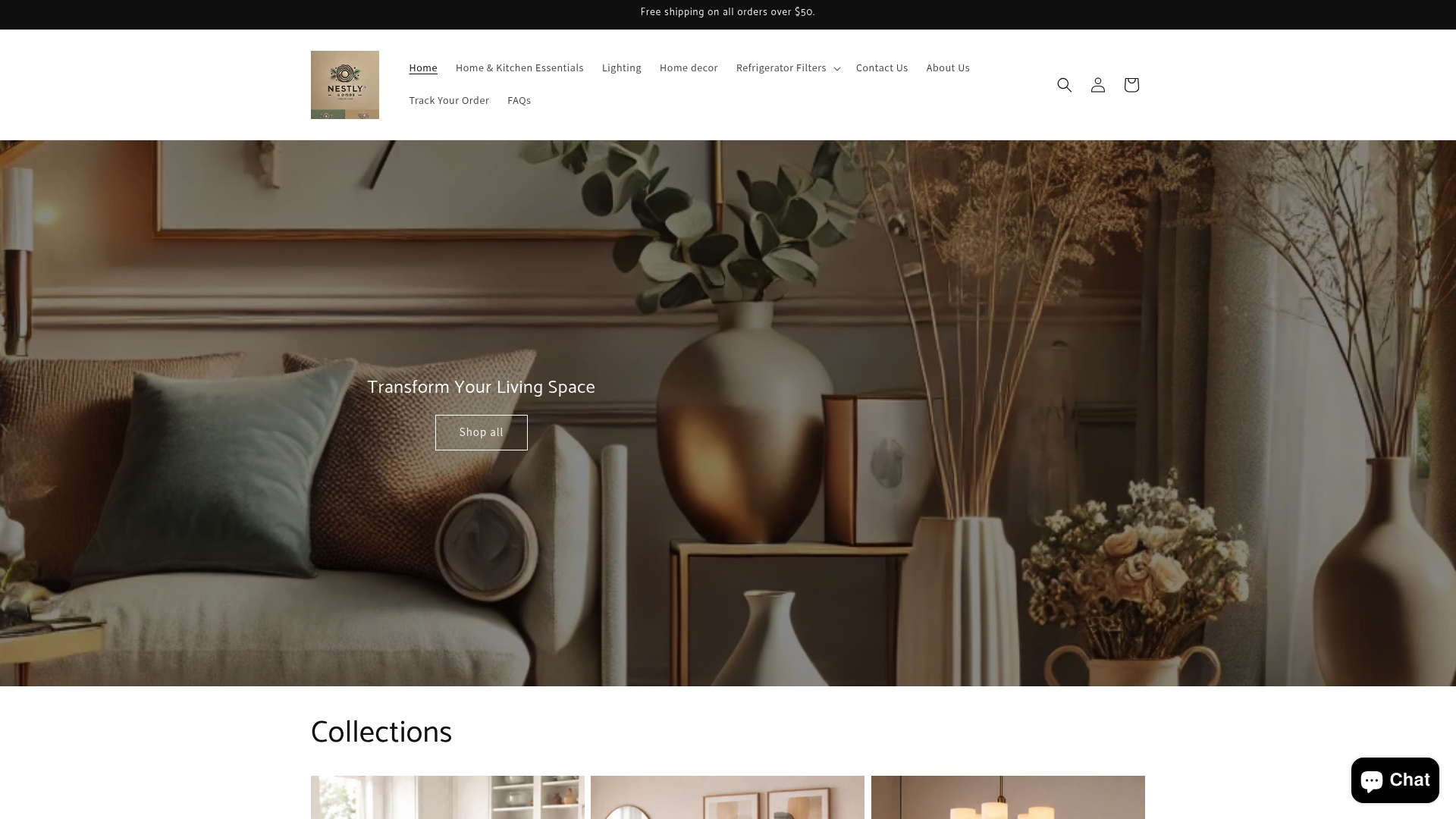
Shop now for carefully curated furniture, lighting, and accessories that align with the smart design principles from the checklist. Whether you need multi-functional storage options or unique lamps to enhance ambiance, Lighting – New Way Ref and Home & Kitchen – New Way Ref offer stylish solutions to make decorating easy and affordable. Visit https://newwayref.store today and take the next step to upgrade your space with confidence and convenience.
Frequently Asked Questions
How can I assess my space for home decor?
To assess your space, measure each room and create a basic floor plan. Start by noting dimensions, natural light sources, and existing furniture to ensure any new decor complements your home’s characteristics.
What should I include in my home decor budget?
Your home decor budget should cover total available funds, essential design elements, and a flexible contingency fund for unexpected expenses. Track your budget to prevent impulse purchases and prioritize your decor projects effectively.
How do I choose a cohesive color scheme for my rooms?
To choose a cohesive color scheme, select a primary color as your anchor and choose 2-3 complementary colors. Test color samples in different lighting to ensure they work well together within your space.
What are the key factors when selecting furniture?
When selecting furniture, consider overall room functionality, personal comfort, and spatial dimensions. Measure your space and evaluate ergonomic features to ensure each piece fits well in your home.
How can I incorporate effective storage solutions into my decor?
To incorporate effective storage solutions, assess your space limitations and identify items needing organization. Look for multi-functional furniture and modular storage systems that blend seamlessly with your decor style while maximizing space efficiency.
What steps can I take to enhance lighting in my home?
To enhance lighting, layer different light sources and consider adjustable controls for flexibility. Experiment with various light temperatures to match the mood of each room and utilize natural light effectively.