

Finding stylish furniture that feels both current and affordable can seem like a challenge for Canadian, American, British, or Australian city dwellers with busy lifestyles. Contemporary design speaks directly to these needs, offering fluid, adaptable living spaces that combine technology, sustainability, and inventive forms. This fresh design approach mixes influences from around the world, delivering creative options that make it easy to showcase personal style while maintaining comfort and practicality in any home.
Table of Contents
- Defining Contemporary Style In Home Design
- Types And Evolution Of Contemporary Style
- Key Characteristics And Visual Elements
- Contemporary Vs. Modern Design Explained
- Common Mistakes And How To Avoid Them
Key Takeaways
| Point | Details |
|---|---|
| Contemporary Design Flexibility | Contemporary design is adaptable, merging various styles and prioritizing personal expression to meet modern living needs. |
| Sustainability Importance | Emphasizing eco-friendly materials and energy-efficient systems is crucial in contemporary design for minimizing environmental impact. |
| Technological Integration | The seamless incorporation of smart technologies into living spaces enhances functionality and reflects current lifestyle demands. |
| Common Design Pitfalls | Avoid overcrowding spaces and ensure a balance between functionality and aesthetics for a cohesive contemporary look. |
Defining Contemporary Style in Home Design
Contemporary home design represents more than a mere aesthetic—it’s a dynamic reflection of current living philosophies and technological capabilities. Contemporary architecture in the 21st century embraces multiple design approaches, breaking away from rigid stylistic constraints and celebrating innovation.
At its core, contemporary style is characterized by several distinctive features:
- Fluid, adaptable design principles
- Emphasis on natural materials and sustainability
- Integration of cutting-edge technologies
- Prioritization of functional minimalism
- Celebration of asymmetrical and unexpected forms
Unlike traditional design movements, contemporary style doesn’t adhere to a single prescriptive template. Modern design thinking prioritizes how people actually live today, blending various influences to create spaces that are both practical and visually compelling. This approach means contemporary interiors can incorporate elements from different design traditions while maintaining a cohesive, forward-looking aesthetic.
The hallmark of contemporary design is its responsiveness to current lifestyle needs. Designers and homeowners are increasingly focused on creating spaces that support flexible living, technological integration, and environmental consciousness. This means furniture and architectural elements that can transform, smart home technologies seamlessly embedded into living spaces, and materials selected for both aesthetic appeal and ecological sustainability.
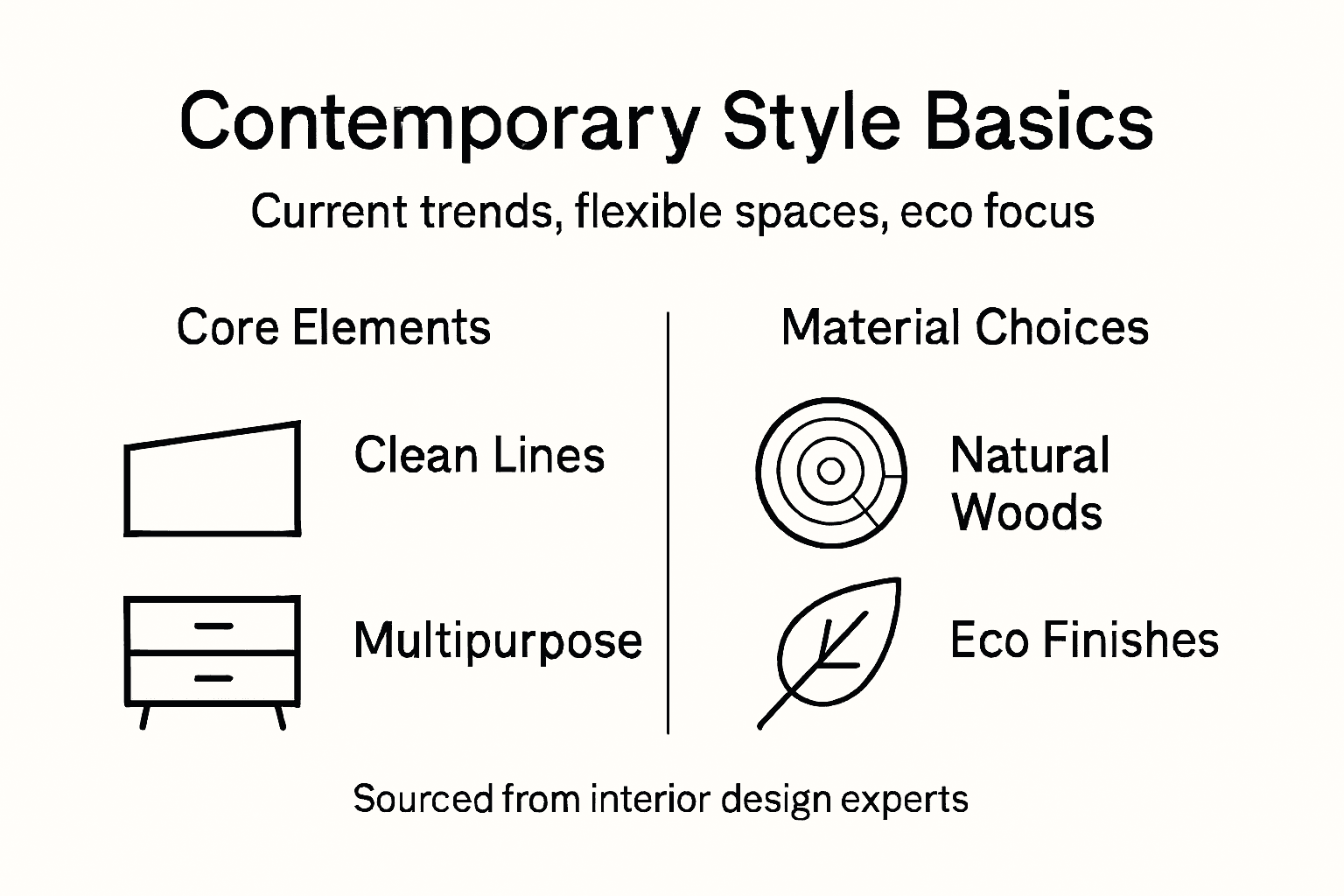
Technological integration plays a pivotal role in contemporary design. Advanced computer-aided design tools allow architects and interior designers to experiment with complex geometries, sustainable materials, and innovative spatial configurations that were previously impossible.
Pro tip: When designing a contemporary space, focus on clean lines, multipurpose functionality, and a neutral color palette that allows individual design elements to stand out dramatically.
Types and Evolution of Contemporary Style
Contemporary style isn’t a static concept but a dynamic, ever-changing landscape of design innovation. Contemporary art and design have continuously evolved since the 1980s, reflecting profound cultural, technological, and social transformations that reshape how we perceive and interact with our living spaces.
The primary types of contemporary style can be categorized into several distinctive approaches:
- Minimalist Contemporary: Characterized by clean lines, neutral color palettes, and functional simplicity
- Industrial Contemporary: Featuring raw materials, exposed structural elements, and urban-inspired aesthetics
- Organic Contemporary: Emphasizing natural materials, curved forms, and connections to environmental design
- High-Tech Contemporary: Integrating advanced technologies, smart home systems, and futuristic design elements
- Global Fusion Contemporary: Blending international design influences and multicultural aesthetic perspectives
Theoretical frameworks reveal that contemporary design is fundamentally about breaking traditional boundaries. This approach goes beyond mere visual aesthetics, engaging deeply with social, political, and technological contexts. Designers now view spaces as dynamic environments that must adapt to changing human needs, rather than static architectural statements.
Here’s a summary of major contemporary style types and their design focus:
| Style Type | Design Focus | Typical Materials |
|---|---|---|
| Minimalist Contemporary | Functional simplicity, clarity | Light woods, glass, steel |
| Industrial Contemporary | Urban edge, exposed structure | Concrete, brick, raw metal |
| Organic Contemporary | Connection to nature, flow | Stone, bamboo, natural fibers |
| High-Tech Contemporary | Technological innovation | Smart devices, composites |
| Global Fusion Contemporary | Multicultural inspiration | Mixed textiles, global motifs |
Technological advancements have been particularly transformative in contemporary style evolution. Digital design tools, sustainable materials, and innovative manufacturing techniques have dramatically expanded designers’ creative possibilities. This means contemporary interiors can now seamlessly integrate complex geometries, smart technologies, and environmentally conscious solutions that were inconceivable just decades ago.
Contemporary style represents a continuous dialogue between human experience, technological innovation, and cultural expression.
Sustainability has emerged as a critical driving force in contemporary design. Modern designers prioritize eco-friendly materials, energy-efficient systems, and designs that minimize environmental impact while maximizing aesthetic and functional value.
Pro tip: When exploring contemporary design, focus on flexibility, embrace technological integration, and choose pieces that tell a story of innovation and personal expression.
Key Characteristics and Visual Elements
Contemporary design transcends traditional aesthetic boundaries, offering a dynamic visual language that reflects our rapidly evolving world. Contemporary art characteristics reveal a profound commitment to innovation, diversity, and meaningful cultural expression through design.
The visual elements of contemporary style are characterized by several key components:
- Minimalist Color Palette: Neutral tones with strategic bold accents
- Asymmetrical Layouts: Intentionally unbalanced yet harmonious design configurations
- Mixed Material Textures: Combining natural and synthetic materials
- Open and Flexible Spatial Concepts: Adaptable living environments
- Technology-Integrated Design: Smart home features seamlessly embedded into living spaces
Visual elements in contemporary design challenge traditional aesthetic norms by blurring boundaries between art, functionality, and personal expression. This approach means designers now view spaces as dynamic canvases that reflect individual narratives and contemporary social dynamics.
Technology plays a transformative role in shaping contemporary visual aesthetics. Advanced digital design tools enable architects and interior designers to experiment with complex geometries, sustainable materials, and innovative spatial configurations that were previously impossible. This technological integration allows for unprecedented levels of customization and personal expression in design.
Contemporary design is not about perfection, but about creating spaces that tell a story and evolve with human experience.
Sustainability has become a critical visual and philosophical element in contemporary design. Designers prioritize eco-friendly materials, energy-efficient systems, and visual elements that minimize environmental impact while maximizing aesthetic and functional value.
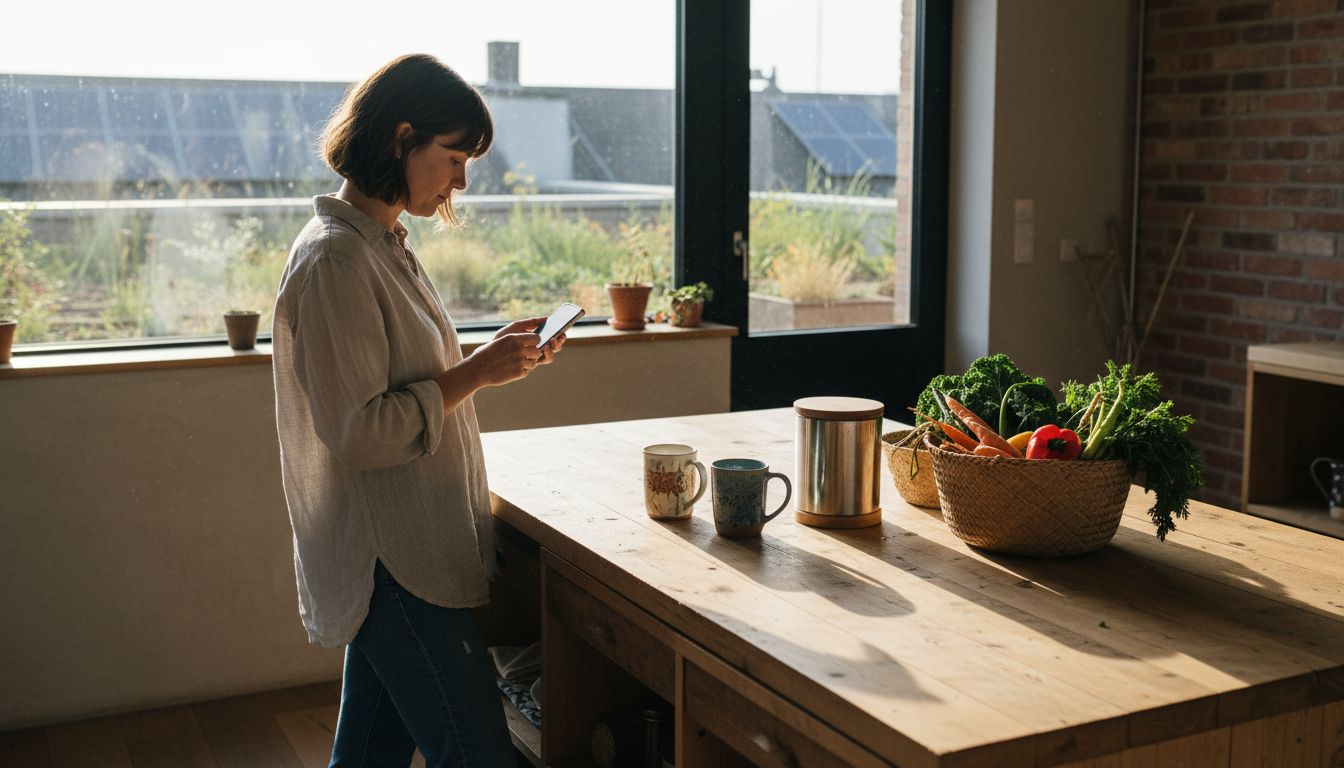
Pro tip: When curating a contemporary space, focus on creating visual harmony through intentional contrast, selecting pieces that blend functionality with personal storytelling.
Contemporary vs. Modern Design Explained
While often used interchangeably, contemporary and modern design represent distinctly different philosophical approaches to aesthetic expression. Modern versus contemporary architecture reveals critical nuances that distinguish these design paradigms, challenging common misconceptions about their similarities.
Key differences between modern and contemporary design include:
- Time Period: Modern design originates from early 20th-century movements, while contemporary design reflects current trends
- Aesthetic Rigidity: Modern design follows strict principles, contemporary design embraces flexibility
- Material Usage: Modern design emphasizes industrial materials, contemporary design explores diverse and sustainable options
- Technological Integration: Contemporary design actively incorporates cutting-edge technologies
- Cultural Responsiveness: Contemporary design is more adaptable to changing social contexts
Contemporary design philosophy represents a radical departure from modernism’s fixed principles. Where modern design adhered to strict form-follows-function mandates, contemporary design celebrates pluralism, contextual sensitivity, and individual expression.
The following table clarifies core differences between modern and contemporary home design philosophies:
| Aspect | Modern Design | Contemporary Design |
|---|---|---|
| Time Influence | Early-mid 20th century | Present-day ideas |
| Approach to Change | Static, rule-based | Adaptive and evolving |
| Technology Use | Minimal, industrial focus | Extensive, smart integration |
| Cultural Reflection | Historical movements | Current societal trends |
Technological advancement has been a pivotal differentiator between these design approaches. Modern design celebrated industrial materials and standardized forms, while contemporary design leverages digital technologies to create more personalized, adaptive living environments. This shift allows for unprecedented levels of customization and individual interpretation.
Contemporary design is not a style, but a conversation between human experience and emerging possibilities.
Sustainability stands as a critical distinguishing factor. Contemporary design prioritizes environmental consciousness, integrating eco-friendly materials and energy-efficient systems in ways that modernist design never considered.
Pro tip: When distinguishing between modern and contemporary design, focus on adaptability, technological integration, and the design’s responsiveness to current cultural contexts.
Common Mistakes and How to Avoid Them
Navigating the nuanced world of contemporary design requires understanding potential pitfalls that can derail your aesthetic vision. Design composition principles reveal critical insights into avoiding common mistakes that can compromise the integrity of your contemporary style.
The most frequent missteps in contemporary design include:
- Overcrowding Spaces: Filling rooms with too many design elements
- Ignoring Functionality: Prioritizing style over practical usability
- Mismatched Design Elements: Combining incompatible design styles
- Neglecting Proportion: Failing to balance visual weight and scale
- Overlooking Technological Integration: Not incorporating smart design solutions
User-centric design strategies emphasize the importance of clarity and simplicity. Many designers fall into the trap of creating visually complex spaces that sacrifice functionality and user experience. The key is to create environments that are both aesthetically pleasing and intuitively navigable.
Technological integration presents another significant challenge in contemporary design. Simply adding smart home devices isn’t enough; they must be seamlessly incorporated into the overall design aesthetic. This requires careful consideration of how technology interacts with spatial elements, color schemes, and functional requirements.
Contemporary design is about creating harmony between form, function, and personal expression.
Visual Composition remains a critical aspect of avoiding design mistakes. Designers must carefully consider balance, rhythm, and proportion to create spaces that feel both dynamic and cohesive. This means thoughtfully selecting and arranging design elements to create a sense of visual flow and intentionality.
Pro tip: Before finalizing your design, take photographs of the space and view them objectively, looking for areas of visual clutter or imbalance that might disrupt the contemporary aesthetic.
Elevate Your Living Space with Contemporary Furniture and Decor
Struggling to create a contemporary home that balances clean lines, functional minimalism, and seamless technological integration? Many homeowners face challenges like overcrowding spaces or mismatched design elements that disrupt the harmony of their living environment. At New Way Ref Store, you will find a thoughtfully curated collection of modern furniture and home accessories designed to bring balance, style, and sustainable innovation into your home.
Explore essentials like sleek sofas, versatile coffee tables, and stylish shoe cabinets that perfectly complement contemporary aesthetics. Each piece emphasizes flexibility, neutral color palettes, and eco-friendly materials to help you avoid common design mistakes while elevating your space’s functionality. Visit our Home Decor section now and discover how easy it is to transform your home with bold, forward-looking styles that respond to today’s lifestyle needs. Start your contemporary style journey now at New Way Ref and create a living environment that truly tells your unique story.
Frequently Asked Questions
What are the key characteristics of contemporary style in home design?
Contemporary style is characterized by fluid design principles, an emphasis on natural materials and sustainability, integration of cutting-edge technologies, functional minimalism, and a celebration of asymmetrical forms.
How does contemporary style differ from modern design?
Contemporary style reflects current trends and is adaptable to changing cultural contexts, while modern design originates from early 20th-century movements and adheres to strict principles. Contemporary design incorporates smart technologies extensively, while modern design focuses more on industrial materials.
What are some common mistakes to avoid in contemporary home design?
Common mistakes include overcrowding spaces, ignoring functionality, combining mismatched design elements, neglecting proportion, and overlooking the integration of smart technologies.
How can sustainability be integrated into contemporary design?
Sustainability can be integrated by using eco-friendly materials, implementing energy-efficient systems, and selecting design elements that minimize environmental impact while maximizing both aesthetic and functional value.